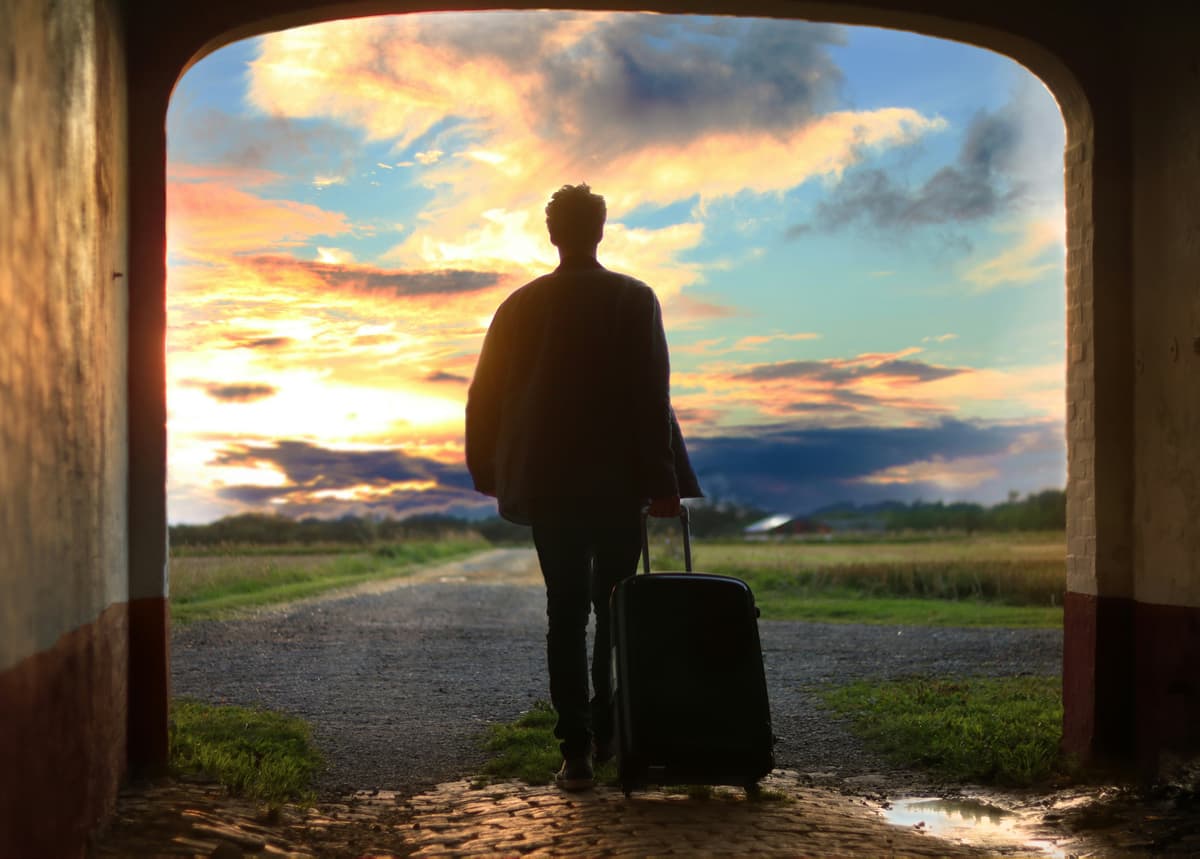
I still remember the exact moment the travel bug bit me. I was 19, sitting on a rusty ferry chugging across the Mekong River in Laos, watching the sun melt into a thousand shades of orange. A local grandmother offered me a sticky rice cake without saying a word. That silent act of kindness reshaped my entire understanding of what travel could be. It wasn't about checking landmarks off a list. It was about connection, discomfort, growth, and stories that would echo through decades. This bucket list isn't a collection of expensive Instagram hotspots. It's a carefully curated roadmap to experiences that fundamentally change how you see the world and yourself.
Why These Experiences Matter More Than Destinations
Modern travel has a problem. We've become obsessed with geotags and neglected goosebumps. The true magic of being on the road comes from sensory overload: the smell of incense in a Varanasi alley, the terrifying silence of the Jordanian desert at midnight, or the lactic acid burn after summiting an active volcano in Guatemala. The following experiences are chosen because they force you to slow down. They work for solo wanderers on a shoestring budget, families looking for educational adventures, and backpackers seeking authenticity over luxury.

Silhouetted travelers on camels trekking over sand dunes during a golden Sahara sunrise
Immersive Cultural Deep Dives
1. Live with a Nomadic Family in Mongolia
Forget five-star hotels. Sleep in a traditional ger (yurt) on the vast, windswept steppe. You’ll wake to the sound of horses neighing and help herd livestock across endless green. This is a profound lesson in minimalism and hospitality. Families often rent out spare gers for as little as $15 a night, including meals of hearty mutton stew and milk tea. The lack of WiFi is the ultimate digital detox.
2. Witness a Voodoo Ceremony in Benin
West Africa is the soul of rhythm, and Benin is its spiritual heartbeat. Attending a Vodun ceremony in Ouidah isn't a spooky tourist show; it's a deeply sacred, vibrant explosion of drumming, dancing, and trance. Go with respect, dress modestly, and ask permission before taking any photos. It dismantles every Hollywood stereotype and reveals a rich, misunderstood theology.
Bring a small gift like kola nuts or a bottle of gin when visiting a village chief or elder in West Africa. It’s a sign of respect that opens doors and hearts.
Adrenaline and Natural Wonders on a Budget
3. Hike the Acatenango Volcano, Guatemala
This is the undisputed king of backpacking hikes. The overnight trek costs about $60, including gear, food, and a guide. You ascend 3,976 meters through cloud forests and volcanic scree to sit face-to-face with Volcán de Fuego. Every 15 minutes, the neighboring peak erupts with a booming roar, spewing crimson lava into the black sky. It’s nature’s most violent and beautiful fireworks display. Camping on the edge with your tent door facing Fuego is an experience worth every painful step.
4. Swim Between Tectonic Plates in Iceland
Silfra fissure in Thingvellir National Park offers the clearest water on Earth. You snorkel or dive literally between the North American and Eurasian continents. Yes, the water is freezing (about 2°C), but a dry suit keeps you buoyant. The visibility exceeds 100 meters. Drinking the glacial water as you float is a surreal, life-affirming moment. A guided snorkeling tour runs around $120—steep for a backpacker budget, but utterly unique.
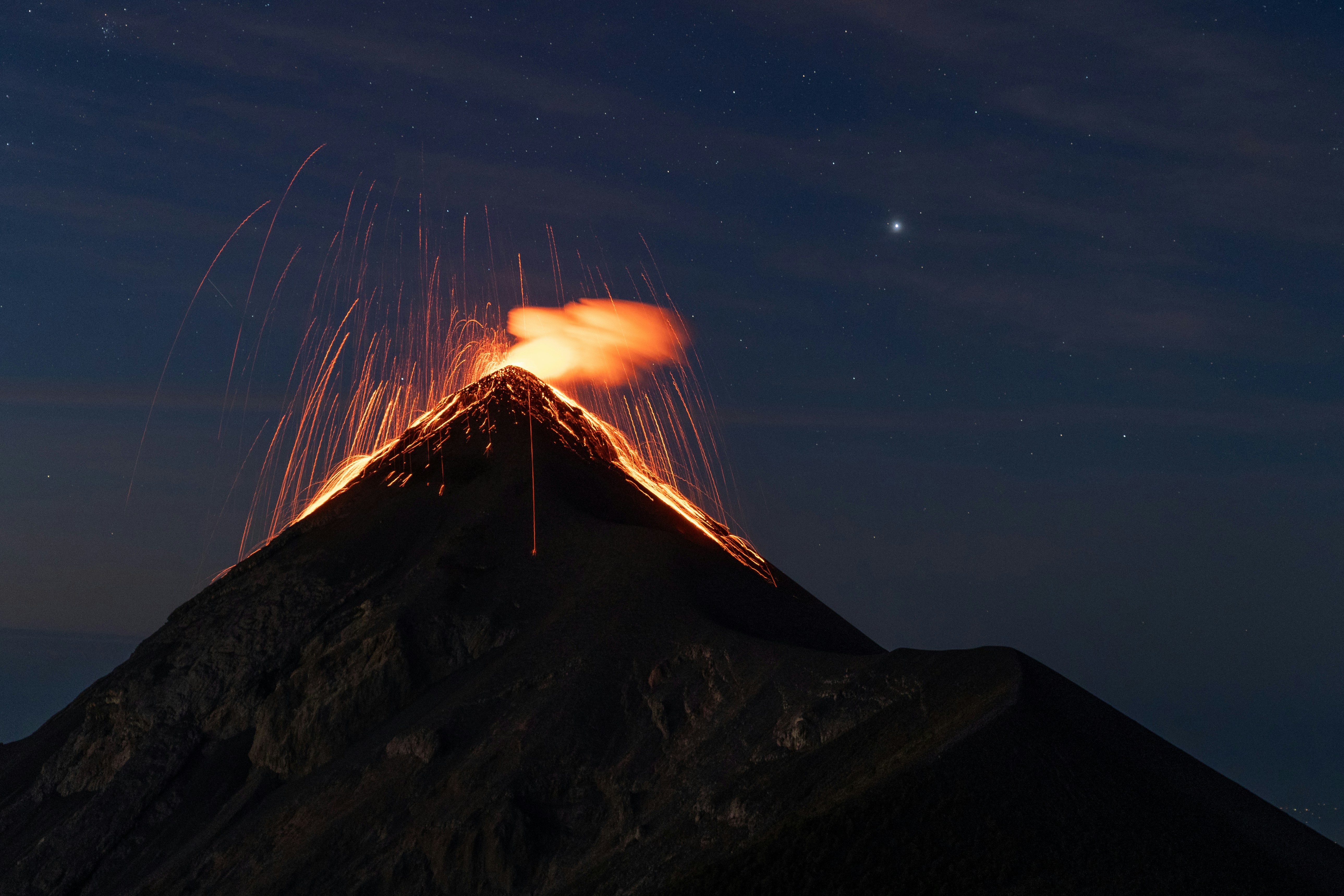
Backpackers sitting on a dark ridge watching glowing orange volcanic eruption against a starry sky
Journeys by Rail and Road
5. Cross India on the Sleeper Class Train
India’s railway is a moving nation. Forget the tourist trains; the real magic happens in Sleeper Class. For a 12-hour journey, you might pay $5. Chai wallahs sing their way down the aisle, families share their dal and chapati with you, and the open windows paint the landscape with the smell of wet earth and coal. It’s chaotic, uncomfortable, and the ultimate lesson in patience. You will arrive dusty, exhausted, and deeply in love with humanity.
6. Drive the Pamir Highway, Tajikistan
The ‘Roof of the World’ is a lunar landscape of stark, high-altitude desert and turquoise lakes. The M41 highway stretches along the Afghanistan border. It’s a top choice for overlanding enthusiasts and hitchhikers. It’s not easy; altitude sickness is a risk, and the roads are rough. But the hospitality of Pamiri people, who will invite you into their stone homes for bread and yak-milk tea, is unmatched. Budget about $30-$40 a day for shared jeeps and homestays.
Soulful Solo Experiences
7. Walk the Kumano Kodo Pilgrimage, Japan
While the Camino de Santiago is wonderful, the Kumano Kodo is more serene. This network of ancient trails through the Kii Peninsula’s cedar forests leads to sacred Shinto shrines. You sleep in traditional ryokans and soak in onsen hot springs. It’s incredibly safe for solo hikers. Unlike the Alps, the terrain is manageable but deeply spiritual. The multi-day passes cost about $50, making it a bargain for such a premium country.
8. A Silent Retreat in Myanmar's Countryside
Even if you aren't Buddhist, spending three days at a monastery like Pa-Auk Forest Monastery is transformative. You don't need to convert; you just need a willingness to unplug. You eat breakfast in silence at 5:30 AM, meditate, and go for mindful walks. Accommodation and food are donation-based. It strips away the noise of modern life and lets you hear your own intuition clearly for the first time in years.
Always tell your guesthouse owner your hiking plans. Download offline maps via Maps.me before leaving for the trailhead. A tiny compass clipped to your backpack strap has saved more hikers than a smartphone.
Family Adventures That Educate
9. Volunteer with Elephants in Chiang Mai
Avoid riding camps. Instead, visit ethical sanctuaries like Elephant Nature Park where you and your kids can prepare fruit baskets, scrub elephants in the river, and watch these gentle giants socialize without chains. It’s messy, muddy fun that teaches children about conservation and empathy. A day trip costs roughly 2,500 Baht per person, and funds go directly to rescue efforts.
10. Sleep in a Treehouse in the Amazon
Staying in a canopy lodge in the Peruvian Amazon isn't just a hotel; it's an expedition. You’ll fall asleep to the roar of howler monkeys and wake to macaws flying past your mosquito net. Look for community-run lodges near Iquitos that employ local guides. Rates often include boat transfers, rubber boot walks, and piranha fishing, costing around $80 per night for a family bungalow.
Photography and Sunrise Hotspots
11. The Temples of Bagan at Dawn
Yes, it's famous. But watching hot air balloons rise over a misty plain of 2,000 ancient pagodas justifies the hype. Skip the crowded viewing mounds. Rent an e-bike for $5 and find a hidden, crumbling temple to climb. The golden hour light bouncing off the red brick creates a 3D landscape that no camera can fully capture. The entrance fee is $20 for a multi-day pass.
12. Salar de Uyuni Mirror Effect, Bolivia
During the rainy season (December to April), a thin layer of water turns the world's largest salt flat into a giant sky mirror. You lose all sense of horizon. Photography here is a dream; you can play with perspective using toy dinosaurs or just stand in awe. A three-day jeep tour from Uyuni starts at $120. The star-gazing on the salt flats is arguably better than the daytime reflection.
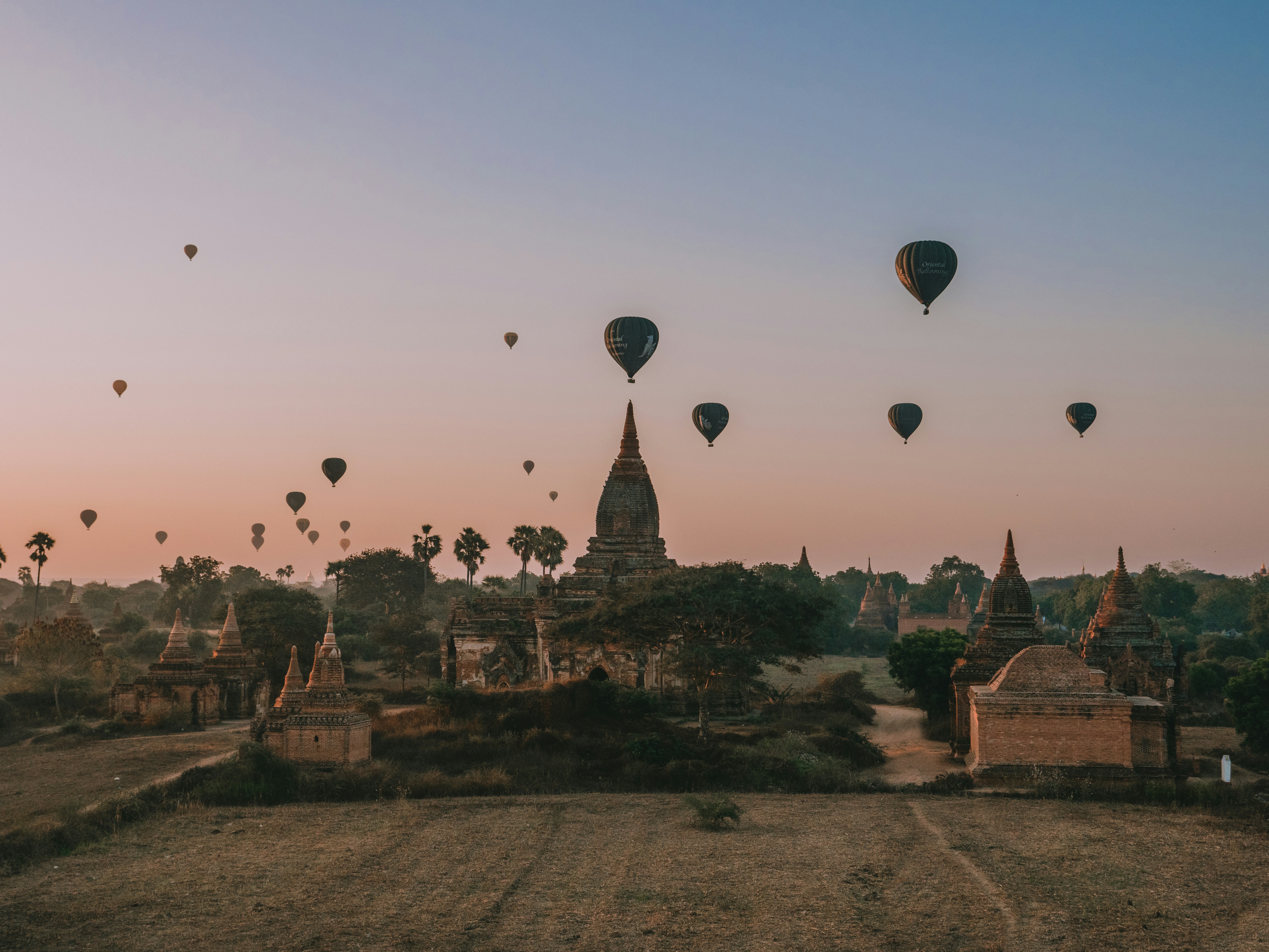
Silhouette of ancient pagodas with colorful hot air balloons floating in the misty golden morning light in Bagan
Mastering the Art of Budgeting
You don't need to be a millionaire to tick these boxes. It's about prioritizing experiences over comfort. Cook your own pasta in a hostel in Reykjavik so you can afford that Silfra snorkel. Take a night bus in Bolivia to save on accommodation and reach the salt flats by dawn. The following breakdown shows how accessible this bucket list actually is.
*Family costs assume basic guesthouses, street food, and local transport, excluding international flights.
Sustainable Travel and Overtourism Solutions
Many of the places on this list are fragile. The only way to keep them magical is to travel responsibly. Instead of the crowded Inca Trail, consider the Salkantay Trek for a wilder, cheaper, and less trafficked path to Machu Picchu. Instead of Santorini, try the unspoiled island of Milos for similar volcanic beaches at half the price. Traveling in the shoulder season (just before or after peak times) is the single biggest hack to reduce your impact and your expenses.
Carry a 'Zero-Waste' Kit
A bamboo cutlery set, a water filtration bottle (like a Grayl or SteriPen), and a reusable tote bag will save you from buying hundreds of plastic water bottles. In countries with unsafe tap water, the upfront investment in a filter pays for itself within a week.
- Water purifier bottle (saves 4 plastic bottles a day)
- Solid shampoo bar (no spills, lasts 3 months)
- Microfiber towel (dries fast, perfect for hostels)
- Solar-powered power bank (charge your phone guilt-free)
- Reef-safe sunscreen (essential for ocean experiences)
Common Mistakes and How to Avoid Them
Don't visit slums on a gawking 'reality tour' unless the tour is led by a community cooperative where profits go back to residents. Always ask: who benefits from my visit? If you can't find an ethical option, skip it.
Another classic blunder is packing too much. You do not need six pairs of shoes to climb a volcano or cross a desert. Every item you pack should serve at least two purposes. That sarong? It's a towel, a bedsheet, a scarf for temples, and a privacy curtain on a sleeper bus.
Currency and Cash Flow Fails
Never rely on cards in remote places. In the Pamir Mountains or the Bolivian Altiplano, cash is king, and crisp US dollars are often preferred. Always carry an emergency $100 bill hidden somewhere creative—inside a toothpaste tube (double bagged) or behind a phone case. It’s your escape fund if all tech fails.
Staying Connected: Internet and SIMs
Gone are the days of expensive roaming. Traveling with an unlocked smartphone is non-negotiable. In most of Southeast Asia, you can buy a 30-day tourist SIM with 30GB+ of data for under $8 at the airport. In Europe, a single EU-wide SIM works seamlessly. However, in places like Cuba or parts of rural Africa, internet is patchy. Download your guidebooks, translations, and maps offline before you go. Apps like Maps.me are a lifesaver for backpackers without data plans.
The VoyZee Travel Companion
Organizing a bucket list of this scale can feel like juggling fire. Between finding train timetables in Hindi, booking ethical elephant encounters, and tracking the Guatemalan volcanic activity, you’ve got a full-time job. That’s where modern tools come in handy. We’ve been using VoyZee Travel to aggregate offline maps, daily budgets, and real-time safety alerts into one sleek itinerary. It helps you see at a glance if you’re overspending in Japan so you can afford that extra day in Mongolia.
Stop pinning and start packing. The VoyZee Travel app helps you plan your route, split costs with fellow backpackers, and discover hidden homestays trusted by locals. It’s designed for the curious, the brave, and the budget-savvy.
Practical Safety and Health Tips
Your health is your most valuable luggage. Visit a travel clinic two months before departure. Yellow fever certificates are mandatory for entering certain African countries. Altitude sickness medication (Acetazolamide) is worth its weight in gold on the Salkantay or Acatenango treks. Listen to your body, not just your pride. If you’re gasping for air at 4,000 meters, stopping to acclimatize isn't weakness; it’s wisdom.
Local Customs That Will Save You
In many Asian countries, the head is the most sacred part of the body, and the feet are the dirtiest. Never point your feet at a Buddha statue or another person. In the Middle East, learn the local greeting (Salaam Alaykum). A simple smile and a broken phrase in the local dialect transform you from a tourist into a guest.
Conclusion: The Call to Drift
This list isn't a race. You don't need to quit your job tomorrow and sell everything (though it can help). It’s about intentional collecting—choosing a trip that scares you a little, that teaches your kids there is a world beyond the iPad, or that proves to your solo self that you can navigate a foreign continent. The goal is to get lost enough to find a new piece of yourself. The magic of life happens at the seam where comfort meets the unknown. Pack light, be kind, stay curious, and go leave your footprints on the roof of the world.
Frequently Asked Questions
Is a round-the-world trip really possible on a budget of $15,000?
Absolutely. Stick to a mix of Southeast Asia, Central Asia, and South America. Use workaway programs for free accommodation, eat street food, and fly budget airlines. $15,000 can comfortably last a year if you travel slow.
What is the single most affordable bucket list experience on this list?
Taking the sleeper train across India. For $5, you get a bed, a cultural immersion, and a journey through one of the world's most vibrant landscapes.
Is it safe to hike Acatenango without a guide?
No. Robberies have occurred on unguided treks, and weather changes rapidly. The $60 guided tour includes security, gear, and food. It’s not a place to cut costs recklessly.
How do I handle food allergies while backpacking?
Download translation cards with your allergy written in the local language. Show it before ordering. In Southeast Asia, be very specific about peanuts and shrimp paste.
Which is better for families: Costa Rica or Thailand?
Costa Rica is easier with younger kids (shorter distances, more familiar food). Thailand is cheaper but requires longer internal travel. Both are incredibly safe.
Do I need a visa for these off-the-beaten-path countries?
Many require e-visas (India, Vietnam, Myanmar). Tajikistan offers a simple e-visa process. Always check iVisa or the official embassy site 3 months in advance.
Can I do these experiences as a digital nomad?
Yes, but plan your connectivity. Don't expect reliable WiFi in the Amazon or on the Pamir Highway. Schedule 'deep work' days in city hubs like Chiang Mai or Medellin, then head into the wild.
What is the best way to find ethical animal encounters?
Look for sanctuaries that don't allow riding, bathing, or unnatural behavior. Read recent reviews on Google and TripAdvisor. If you can take a selfie holding the animal, it's likely a toxic operation.
How much should I tip abroad?
In Japan or Korea, it is insulting to tip. In the US, it’s mandatory. In Southeast Asia, it isn't expected but is incredibly appreciated. Research the specific custom for each location.
Is drinking tap water really that dangerous?
In many parts of Africa and Asia, yes. Stick to filtered or boiled water. A reusable filter bottle saves both your gut and the environment.

Written by VoyZee Team
Official VoyZee editorial team
