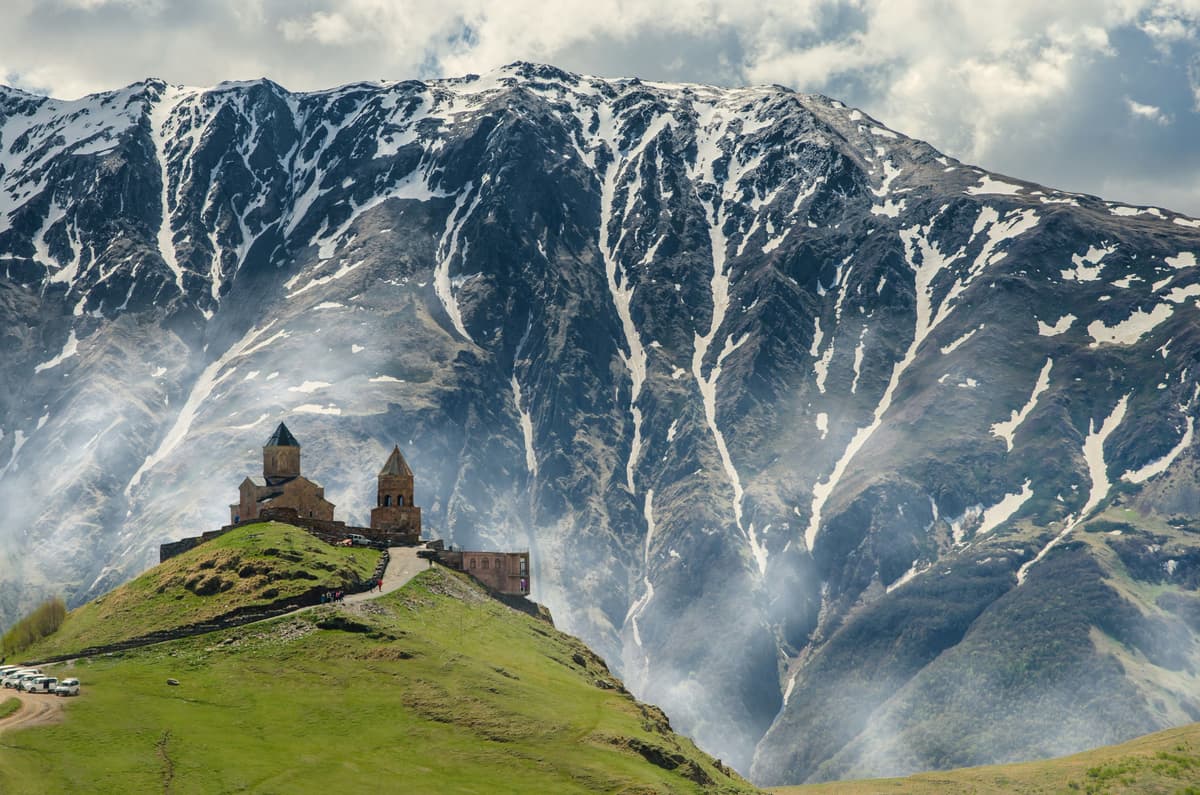
Discovering Kazbegi: Georgia's Hidden Gem of History and Natural Beauty
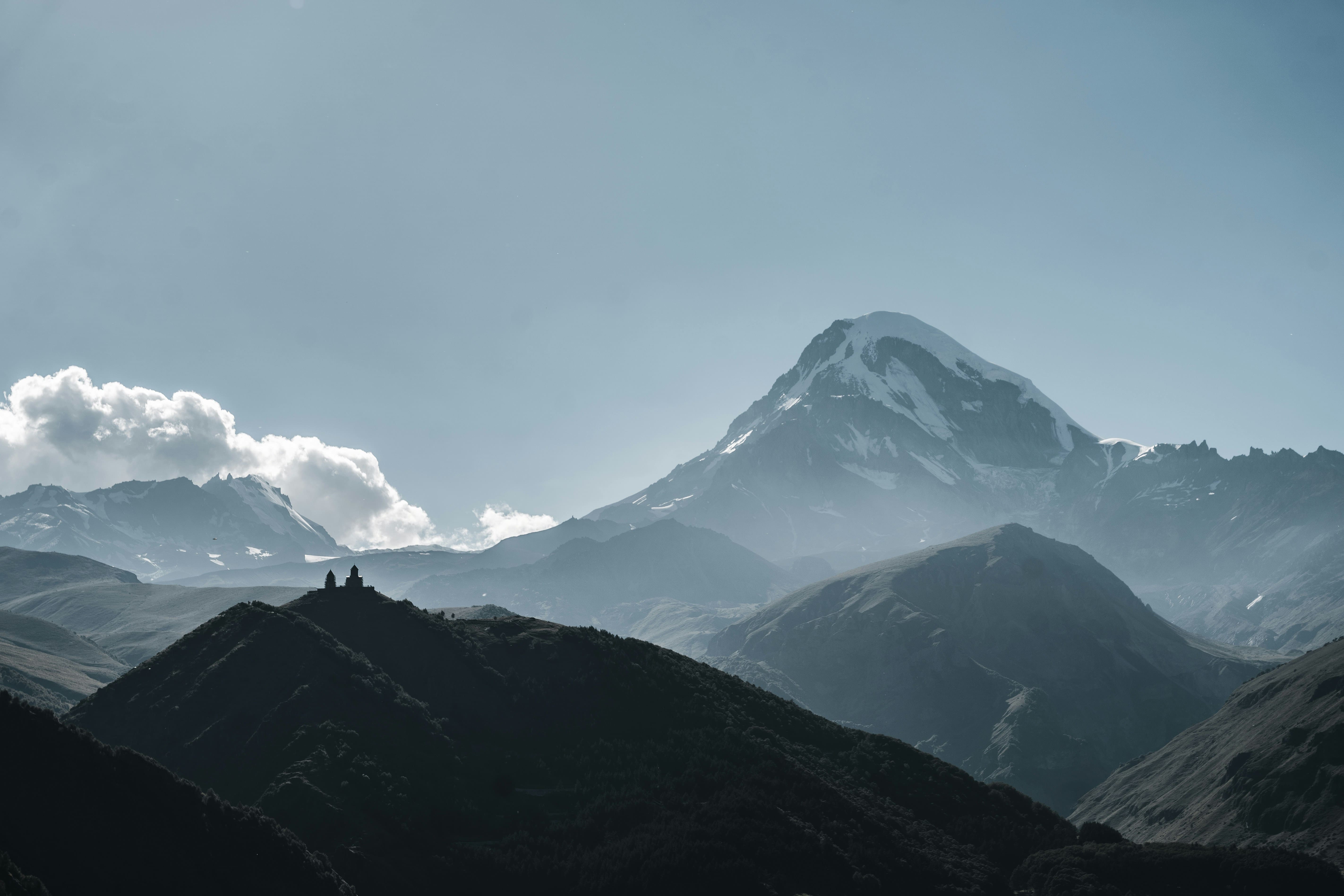
Kazbegi town nestled in the Caucasus Mountains
Tucked away in the soaring peaks of the Greater Caucasus Mountains lies Kazbegi—also officially known as Stepantsminda—a small mountain town that is one of Georgia’s best-kept secrets. With its dramatic history, majestic landscapes, and the unmistakable charm of a hidden gem, Kazbegi is a must-visit destination for travelers seeking adventure, culture, and breathtaking scenery all in one.
The Historical Roots of Kazbegi
Kazbegi sits within the historic province of Khevi in northern Georgia, around 155 kilometers north of the capital, Tbilisi, near the Russian border. The town’s official name, Stepantsminda, means “Saint Stephan,” attributed to an Orthodox monk who established a hermitage here in medieval times. The name Kazbegi, though, experiences frequent interchangeable use; it honors a local lord from the era of Imperial Russia and was the official name between 1925 and 2006 before reverting to Stepantsminda. However, locals and travelers alike still call it Kazbegi for simplicity.
The region was traditionally governed by the Tsanars, a tribe from the Northern Caucasus, who controlled the Dariali Pass trade route linking south and north Caucasus. Its residents, the Mokhevs, became vassals of the Georgian crown and enjoyed unique privileges. The town’s rich historical tapestry is also marked by Soviet influences, evident in relics like an abandoned cable car station meant to ferry pilgrims to the iconic Gergeti Trinity Church—a project that locals rejected, choosing instead to hike as a gesture of devotion.
Kazbegi’s location on the Georgian Military Highway—an ancient and strategic route connecting Georgia to Russia—further anchors its historical significance. This road has witnessed centuries of travelers, armies, and tradespeople crossing the Caucasus, adding to the cultural layering that visitors experience today.
The Hidden Gem Status of Kazbegi
Despite its fame among Georgian and some international tourists, Kazbegi’s blend of history and natural panorama keeps it feeling like a hidden gem. While infrastructure has improved, the town retains a small, authentic character with a population under 5,000 people.
It is incredibly accessible—just a scenic 3–4 hour drive from Tbilisi along the Georgian Military Highway, itself a stunning journey framed by mountain vistas and important historical stops such as Ananuri Fortress and the Russia-Georgia Friendship Monument.
Kazbegi’s hushed charm partly comes from its lesser-known valleys such as Juta and Truso—sites of pristine alpine meadows, crystal-clear lakes, and rare biodiversity. For hikers, adventurers, and cultural explorers, these off-the-beaten-track areas offer camping, trekking, and traditional mountain hospitality without crowds or commercialization.
Local culture enriches this hidden gem vibe too. From the hearty mountain cuisine based on dairy and wheat traditions to friendly encounters with locals proud of their heritage, Kazbegi feels like a welcoming secret.
The Breathtaking Beauty of Kazbegi and Surroundings
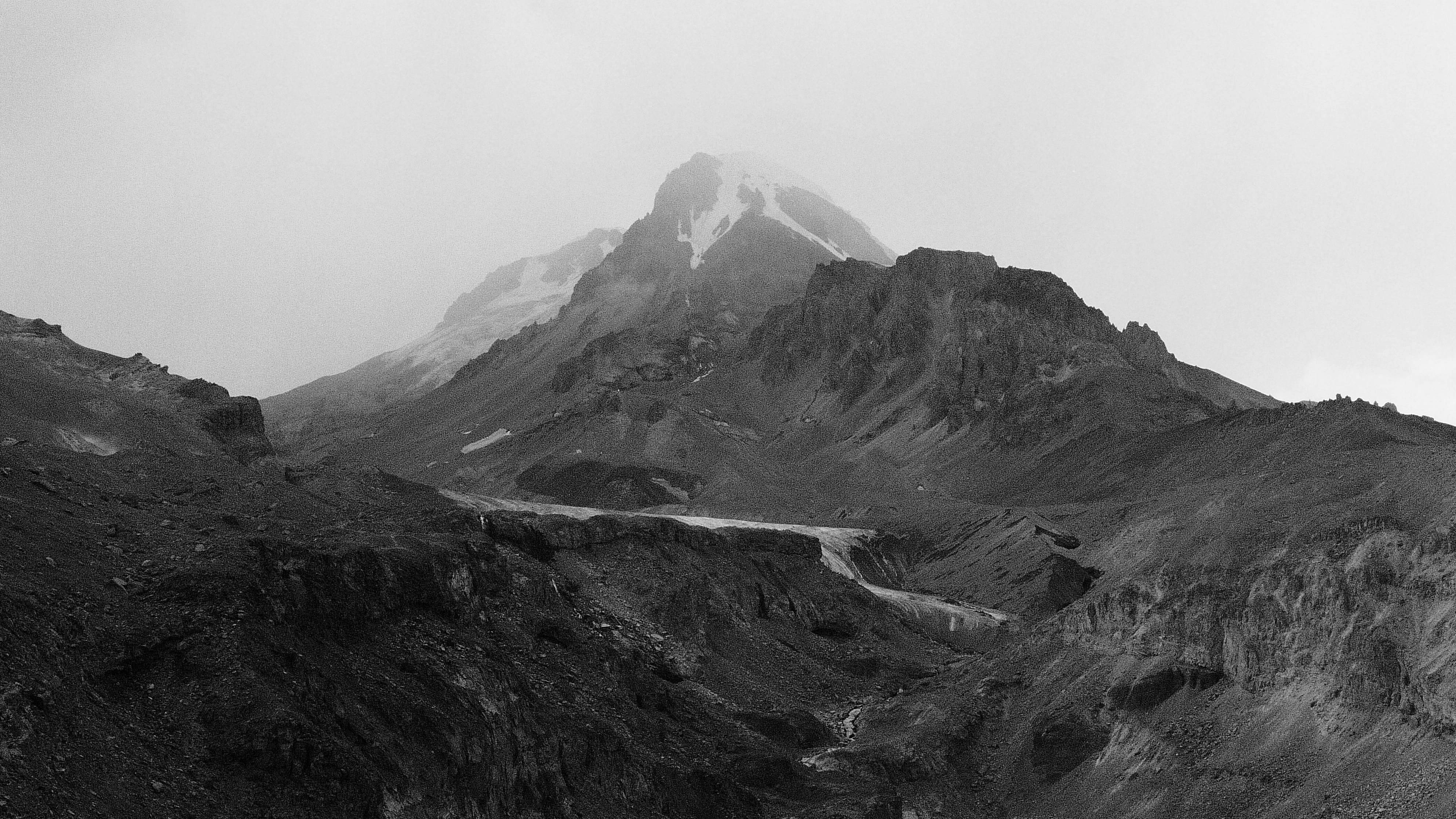
Mount Kazbek covered in snow above Kazbegi valley
Kazbegi’s crowning natural feature is undoubtedly Mount Kazbek, standing at 5,047 meters, a dormant stratovolcano that presides over the region like an ancient guardian. Nicknamed “The Bride” for its often fog-veiled peak, Kazbek is one of Europe’s highest mountains and a symbol of Georgian wilderness.
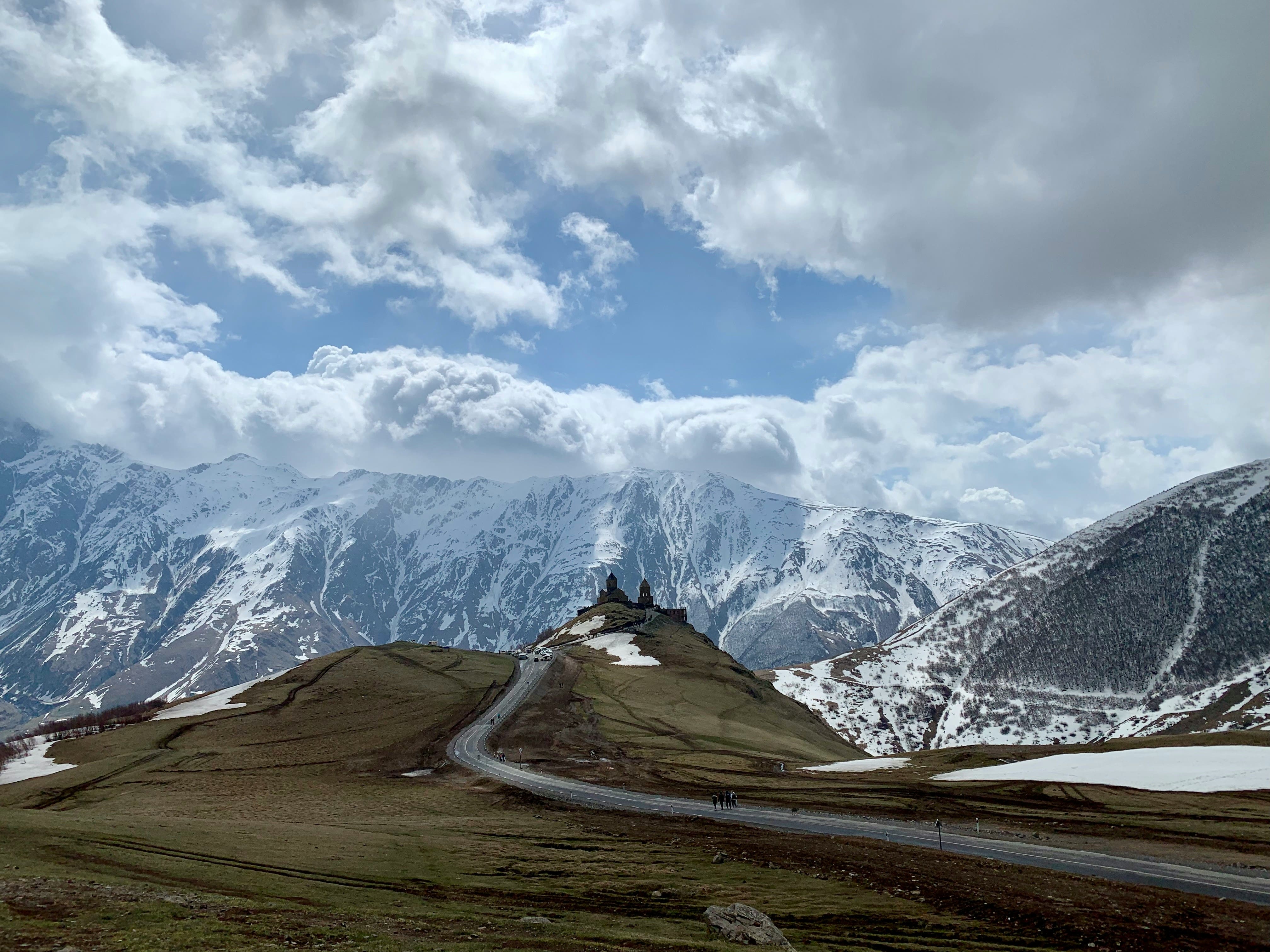
At the base of this giant lies the Gergeti Trinity Church, a 14th-century stone chapel perched on a hilltop at 2,170 meters above sea level. The church’s remote location combined with panoramic views of snow-capped peaks and green valleys make it one of the most iconic and photogenic spots in all Georgia. A hike to the church is an unforgettable experience, weaving you through alpine meadows and offering spectacular perspectives of the Caucasus.
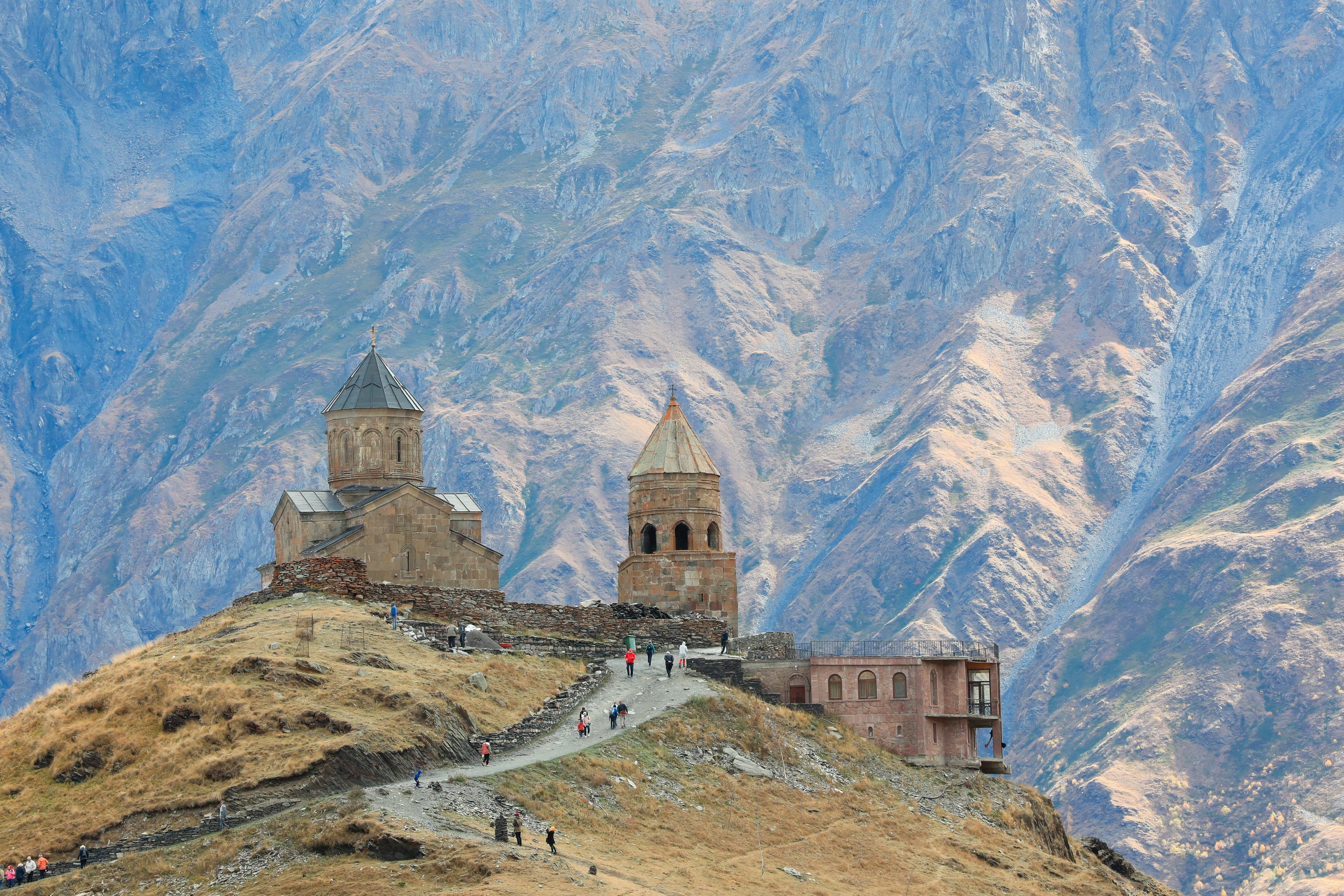
Gergeti Trinity Church on a hill with Mount Kazbek behind
Beyond Gergeti, Kazbegi’s landscape unfolds into valleys dotted with waterfalls such as Gveleti, ancient villages, and rugged mountain trails. The Dariali Gorge, carved by the Terek River, offers dramatic cliffs and cascading waters—a playground for nature lovers and adrenaline seekers alike.
Seasonally, Kazbegi’s beauty transforms: wildflowers bloom in late spring, summers bring vibrant green hills and perfect hiking conditions, autumn paints the valleys in warm hues, and winter covers the land in pristine snow, making it also a winter adventure hotspot.
Exploring Kazbegi Town
Kazbegi town center with local houses and shops
While small, Kazbegi town (Stepantsminda) offers a quaint atmosphere interspersed with interesting relics. Visitors can find charming stone houses, Soviet-era bas reliefs, and a unique piece of street art by local artist Dante Mdante from 2019. The Archangel Gabriel Church, with its intricate lion carvings, is a quiet highlight.
A visit to Kazbegi town also includes a stroll past the statue of Alexander Kazbegi, the town’s namesake, and a stop by the famous lion’s head fountain decorated with references to Georgian poet Shota Rustaveli.
For those interested in culture, there is a History Museum housed in a large building—though it is currently closed indefinitely. The abandoned Soviet cable car station with graffiti art offers a fascinating glimpse into the town’s more recent past.
Kazbegi’s eateries serve warm, traditional dishes such as khinkali (meat dumplings) and khachapuri (cheese bread with egg), accompanied by locally made wines, a delight for the culinary traveler.
Best Time to Visit Kazbegi
Kazbegi is accessible year-round, with each season offering a distinct experience:
-
Late spring (May to June): Snow lingers on peaks while wildflowers begin blooming, creating a fresh and vibrant setting.
-
Summer (July–August): The peak tourist season with mild temperatures and long days—ideal for hiking and outdoor activities, although busier.
-
Autumn (September–October): Cooler, quieter, and beautifully colored valleys, perfect for photographers and those looking to avoid crowds.
-
Winter (December–March): Snow-covered peaks and quieter town vibes, skiing nearby in Gudauri, but some trails and roads may close temporarily due to avalanches.
Getting to and Around Kazbegi
Most visitors reach Kazbegi from Tbilisi by car or marshrutka (minibus) along the Military Highway. Private transfers and tours are ideal for safety and comfort, given the mountain road's winding nature. Once in town, getting around on foot is feasible; trips to Gergeti Church are easiest by local Delica taxis or hiking for the adventurous.
For excursions to surrounding valleys, local operators like Mountain Freaks offer shuttle services, especially during the popular May to October trekking season.
Why Kazbegi Should Be on Your Travel List in 2025
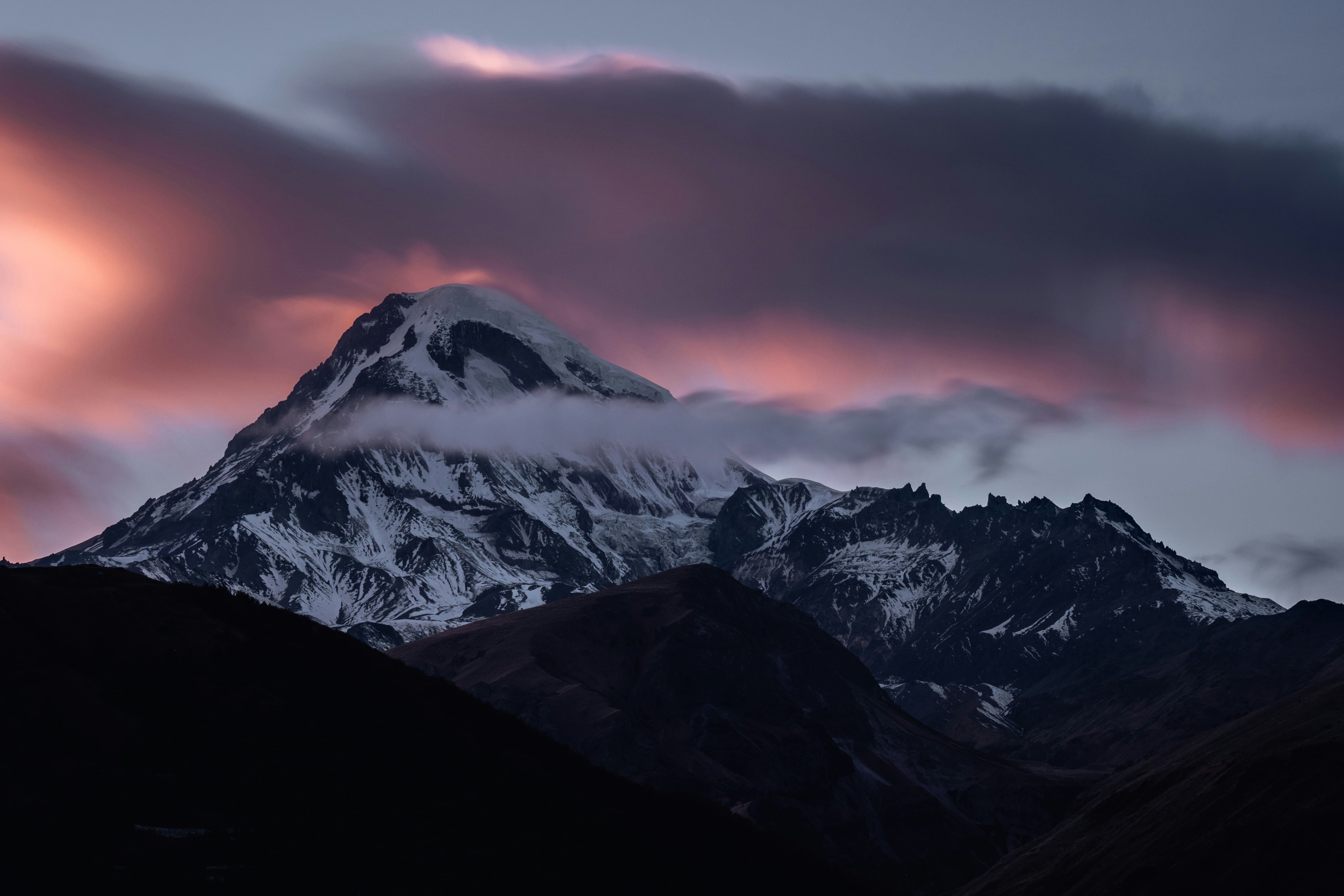
Sunset over Kazbegi mountains
Kazbegi offers a rare combination of spectacular natural beauty, rich history, and a recognized yet relatively underexplored status as a mountain travel destination. It provides a top-tier experience for photographers, hikers, history enthusiasts, and anyone craving the serenity of remote mountain life with the convenience of accessibility from Georgia’s capital.
With traditional Georgian hospitality, local culture, and postcard-perfect landscapes at every turn, Kazbegi is a destination that leaves a lasting impression—one that invites you to return season after season.

Written by VoyZee Team
Official VoyZee editorial team
