The Alley That Wasn't on Any Map
by Maya Rodriguez, Medellín, Colombia
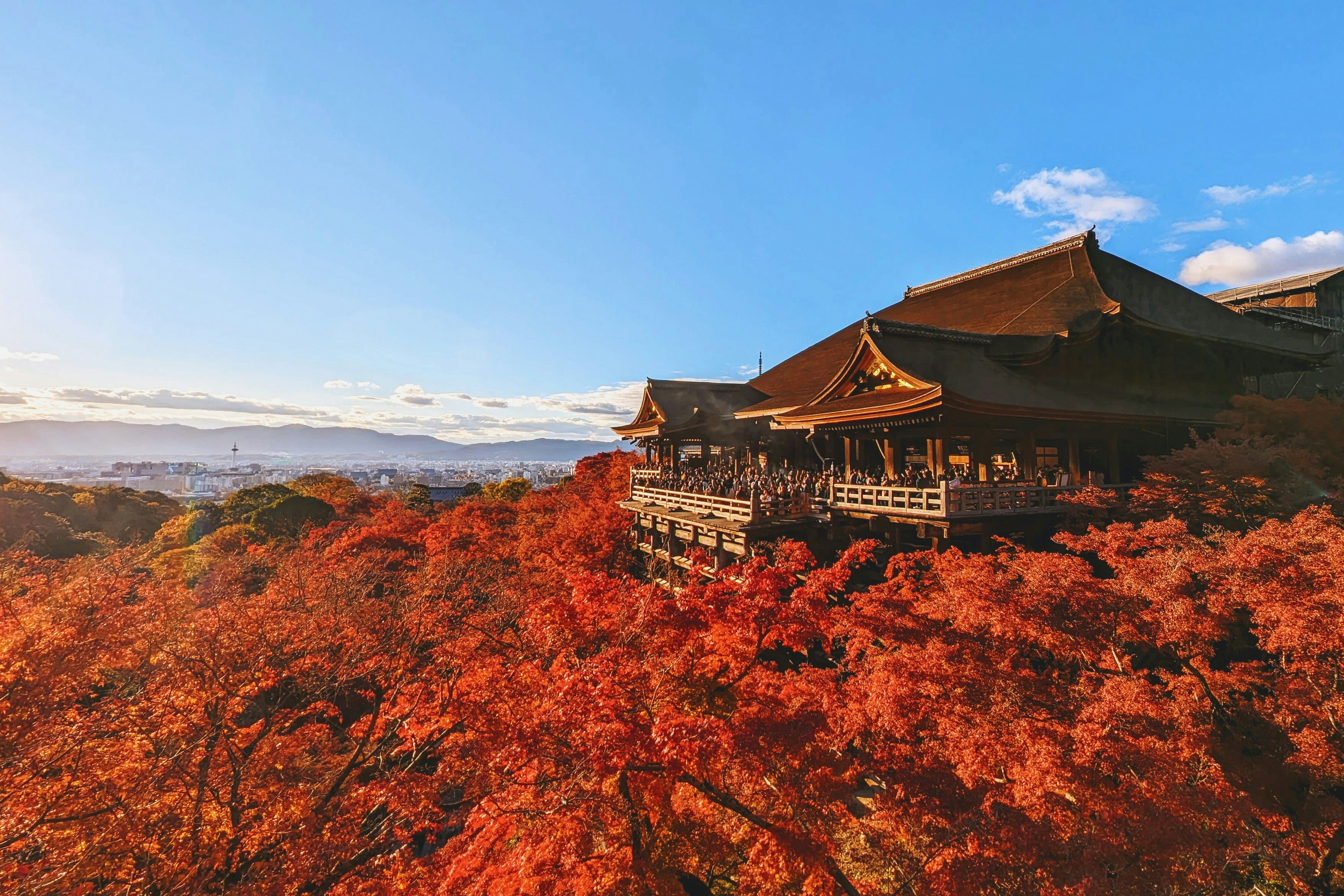
Quiet Kyoto street with autumn leaves and traditional architecture at dusk
I arrived in Kyoto on a Tuesday in late November, dragging my suitcase over ancient cobblestones while everyone around me seemed to know exactly where they were going. Tour groups moved like schools of fish, purposeful and synchronized. I was just... floating. A solo designer with too many saved photos on her phone and not enough courage to close the app and simply look up.
That first evening, I sat on my ryokan futon feeling something I hadn't expected: the particular loneliness of being somewhere beautiful alone. Kyoto had handed me its postcard version immediately — the temples, the maples bleeding red and orange, the perfectly raked gravel gardens — and somehow that perfection made me feel further from it, not closer.
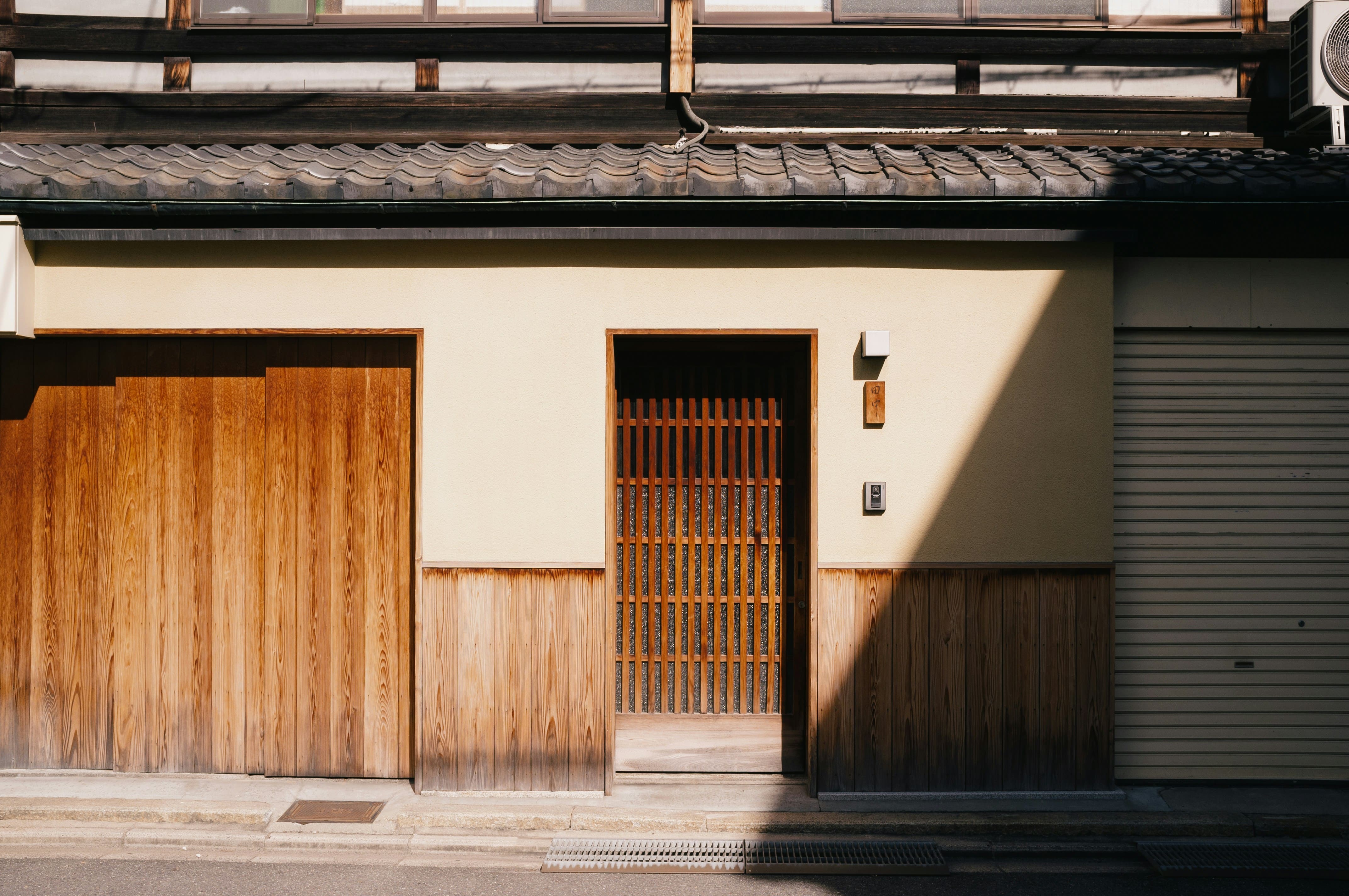
Traditional ryokan room with tatami mats and futon bedding
I remember almost laughing at myself, opening VoyZee at midnight just to feel oriented. Not searching for the famous spots I'd already bookmarked everywhere else. I filtered for "local, quiet, off-path," and tucked into my results was a single line: Nishiki-dōri side alley, unmarked tea house, small wooden sign with a persimmon painted on it. Two user notes. That was all.
I found it the next afternoon, twenty minutes of wandering in the gray-gold light before I almost walked past it entirely. The sign was exactly as described — faded, the persimmon painted in a coral that had softened to blush. Inside, the space was perhaps four tatami mats wide. Copper kettle, bamboo whisk, the mineral-sweet scent of matcha hanging in the cool air.
An elderly woman emerged from behind a curtain. She had the unhurried quality of someone who had mastered patience as an art form. She looked at me — really looked, the way people rarely do — then gestured, palm up, toward the low wooden seat by the window.
I don't speak Japanese beyond the clumsy basics. She didn't speak Spanish, or English. We needed neither. She prepared the tea with the kind of focused tenderness that made me feel I was watching something sacred. When she set the bowl in front of me, both hands, a slight bow, I felt my shoulders drop about three inches. I hadn't realized I'd been holding them that way since landing.
I sat there for forty minutes. Maybe more. Outside, a narrow channel of sky between the rooftops had turned the particular lavender that only exists for about eight minutes at dusk. I thought about nothing. I thought about everything. Both at the same time, somehow.
Walking back to the ryokan, I understood something I'd intellectually known but never quite felt: the landmarks were never going to be the story I'd tell. This would be. A woman, a bowl, four mats of silence, and eight minutes of lavender sky.
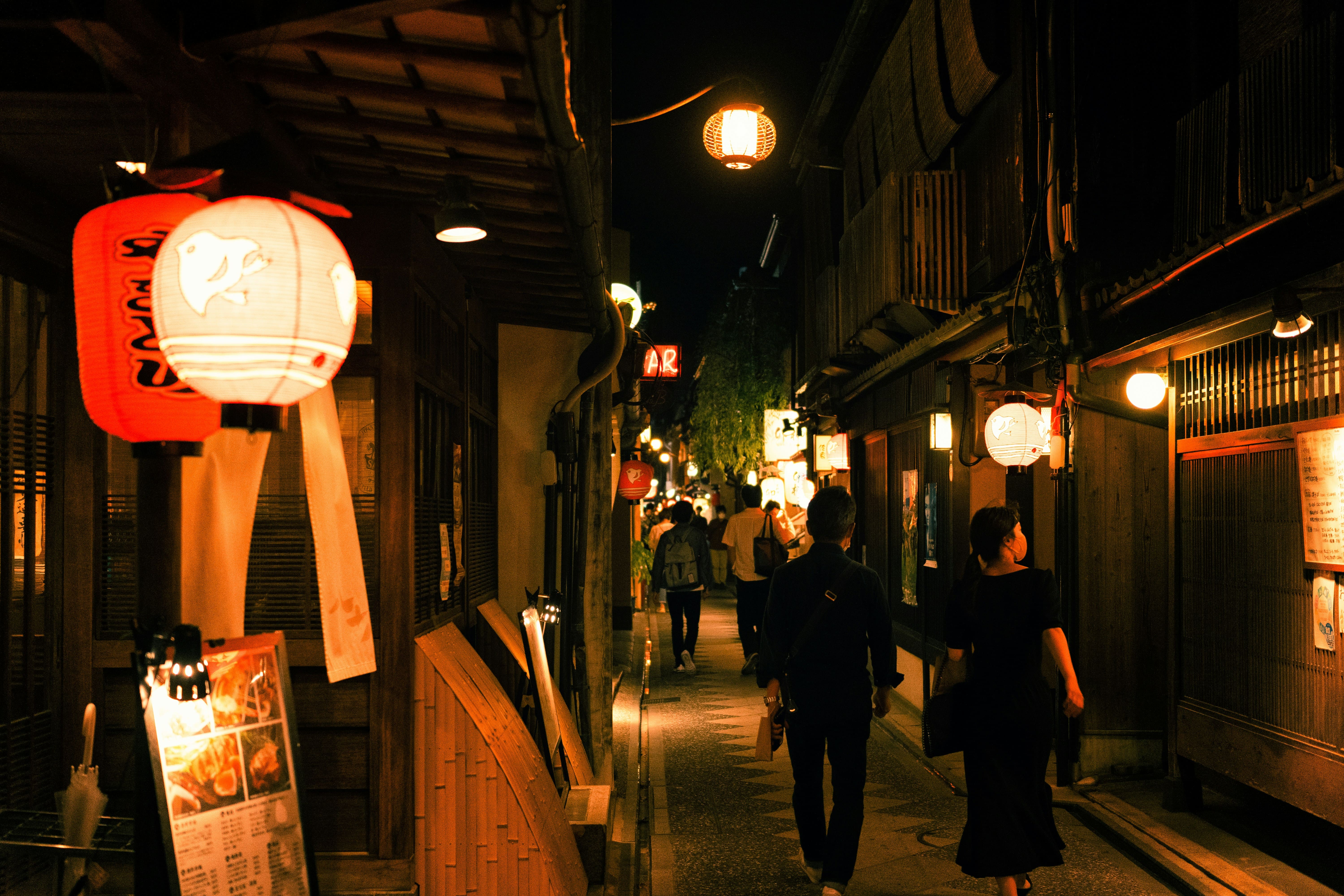
Quiet Kyoto alley illuminated by lanterns at night
My biggest takeaway from Kyoto — from any trip, honestly — is that the moments worth finding are rarely the ones already found. They're in the unmarked alleys, in gestures that need no translation, in the quiet that opens up when you finally stop performing the act of traveling and simply arrive.
That's the only itinerary I'm interested in now.

Written by VoyZee Team
Official VoyZee editorial team
