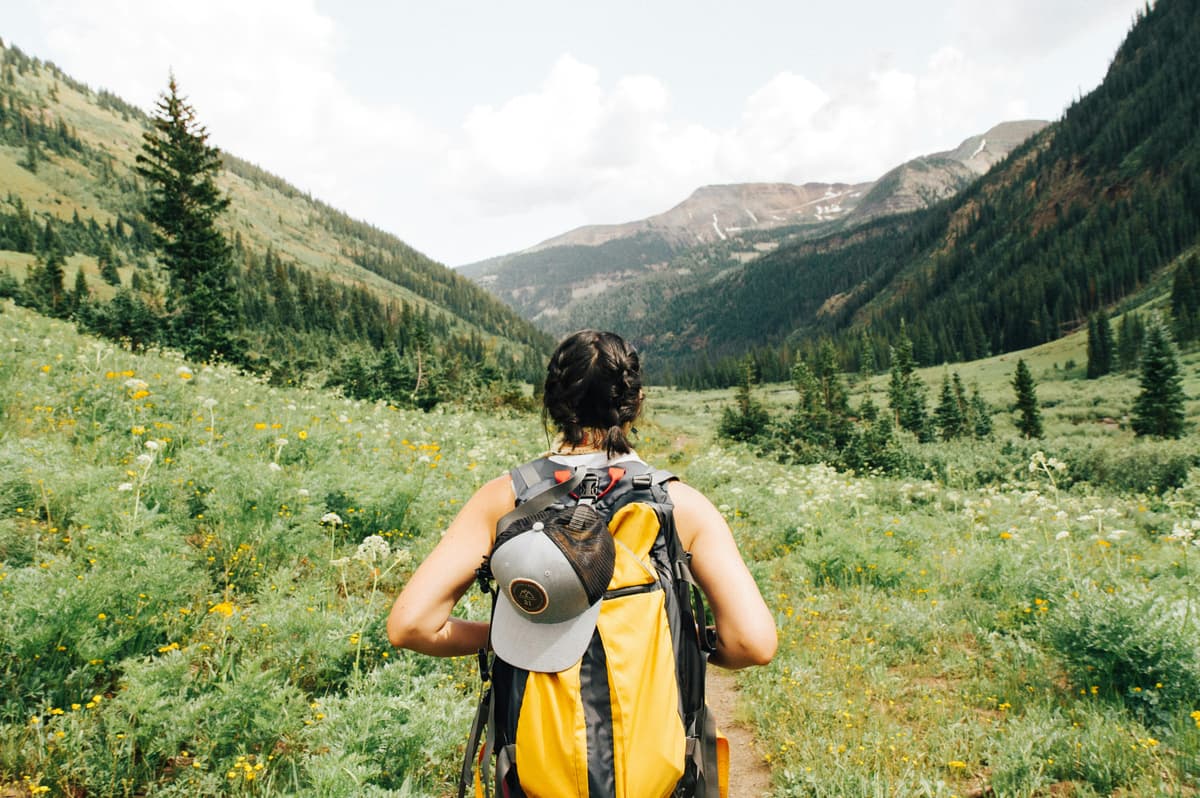
Introduction
There's a particular kind of chaos that comes with your first big trip. You've packed the wrong shoes, forgotten to check the visa rules, and somehow ended up paying triple for a taxi because you didn't know the local fare. It happens to everyone, and honestly, it's part of the learning curve. But some mistakes are easy to sidestep once you know what to look out for. This guide walks through 25 of the most common slip-ups first-time travelers make, whether you're backpacking through Southeast Asia, road-tripping across Europe, or taking your family on their first overseas holiday.
Think of this less as a scolding list and more as a shortcut. Every seasoned traveler has made at least half of these errors at some point, and most of them are cheap lessons rather than trip-ending disasters. The goal here is to help you skip the expensive or stressful versions.
Overview
Most first-trip mistakes fall into a handful of categories: poor planning, overpacking, underestimating costs, ignoring local customs, and skipping basic safety prep. None of these require expert-level travel skills to fix. They just require a bit of foresight, which is exactly what this article is for.
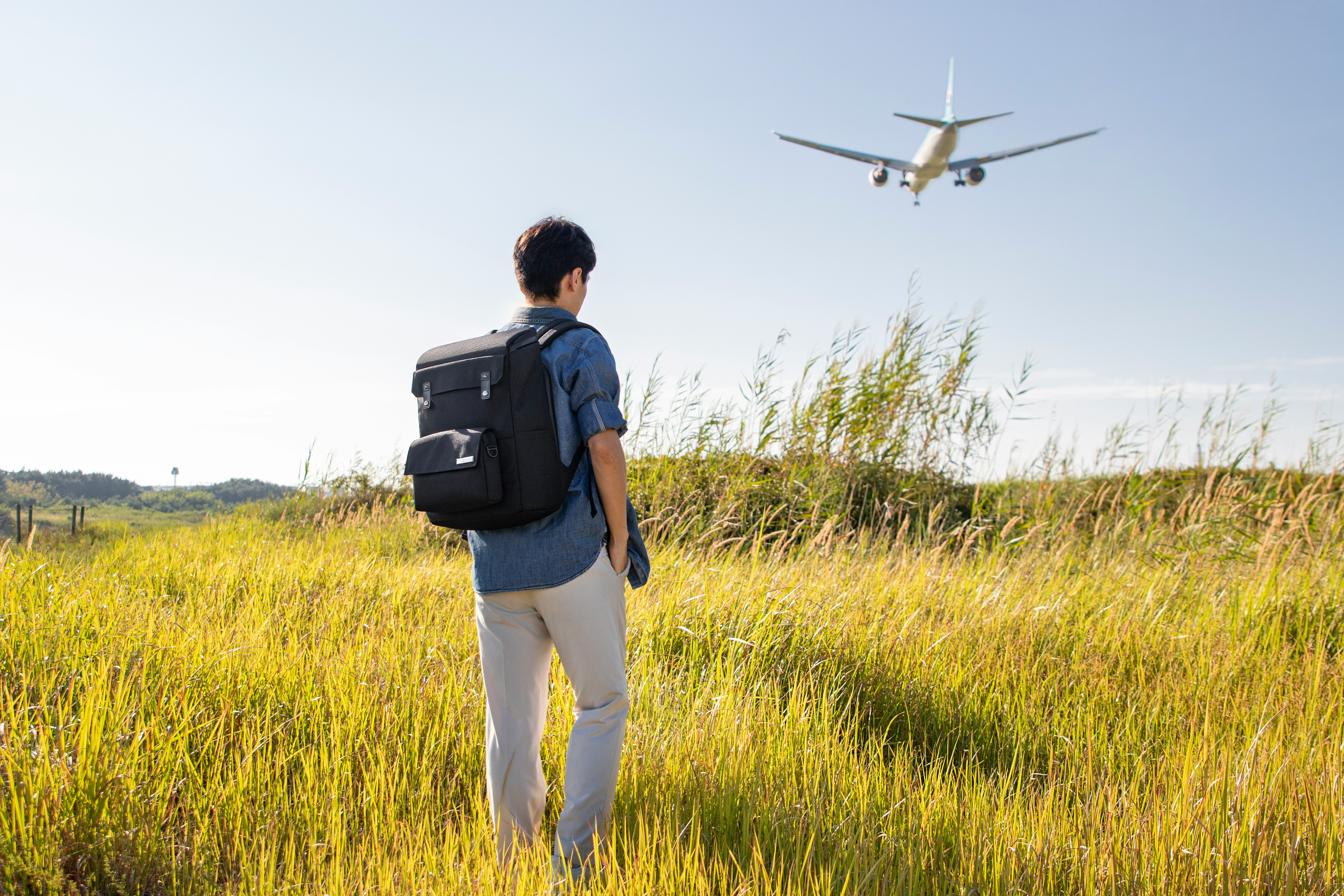
First-time traveler checking a map and passport at the airport
Why This Matters More Than You Think
A single overlooked detail, like an expired passport page requirement or a missed visa deadline, can derail an entire trip before it starts. Learning from other travelers' mistakes is one of the cheapest forms of travel insurance there is.
Planning Your Route and Timing It Right
One classic rookie mistake is trying to cram too many destinations into too little time. Overplanning turns a trip into a checklist rather than an experience. A better approach is to pick two or three base cities and take slower day trips from each, rather than changing hotels every single night.
As a rough guide, budget a minimum of three full days per major city so you're not spending half your trip in transit.
Best Time to Travel
Booking flights during peak shoulder-season sales rather than absolute peak summer can cut costs by 30 to 40 percent, while still offering good weather. First-timers often default to summer travel out of habit, missing cheaper and less crowded windows in spring and early autumn.
Visa and Documentation Mistakes
Forgetting to check visa requirements is one of the most preventable mistakes on this list. Some countries require your passport to have six months' validity remaining, and others require proof of onward travel before you're even allowed to board your flight. Always check official government sites rather than relying on outdated blog posts.
- Check passport expiry rules for your destination
- Confirm visa-on-arrival vs. e-visa requirements
- Print or save digital copies of your visa approval
- Check if proof of onward travel is required
Transportation Blunders
New travelers often overpay for airport transfers simply because they haven't researched local transport options in advance. In many cities, a metro or airport train costs a fraction of a taxi and takes roughly the same amount of time. Ride-hailing apps are usually safer and cheaper than hailing a cab off the street, especially in destinations known for tourist-targeted fare scams.

Traveler using a local train station instead of a taxi
Underestimating the Budget
First-timers frequently budget for flights and hotels but forget to account for local transport, tips, entrance fees, and the inevitable souvenir splurge. A safe rule of thumb is to add a 15 to 20 percent buffer on top of your estimated daily budget.
Accommodation Missteps
Booking the cheapest hostel or hotel without checking its location can eat up your entire savings in taxi fares. It's often worth paying a little more for a place within walking distance of transit hubs. Reading recent reviews, not just the overall rating, will flag issues like noise or unreliable Wi-Fi before you arrive.
Food and Dining Pitfalls
Eating exclusively at restaurants near major tourist attractions is a fast way to overpay for mediocre food. Locals usually know where the best, cheapest meals are, often just a few streets away from the crowds. Street food markets and family-run spots typically offer better value and a more authentic experience than anything with a picture menu in five languages.
If a food stall has a line of locals rather than tourists, that's usually a good sign of quality and fair pricing.
Top Attractions vs. Hidden Gems
It's tempting to spend your entire trip chasing the most famous landmarks, but some of the most memorable moments come from lesser-known spots. Balancing a couple of major sights with time for wandering neighborhoods or visiting a local market often leaves a stronger impression than a checklist of monuments.
- Visit one major landmark early in the morning to avoid crowds
- Set aside at least one day with no fixed itinerary
- Ask locals for their favorite quiet spots
- Explore a neighborhood market instead of a tourist strip
Suggested First-Trip Itinerary Approach
Rather than a rigid day-by-day plan, first-timers do better with a loose framework: arrival and adjustment day, a mix of major sights and rest days, one full free-exploration day, and a buffer day before departure in case of delays or unexpected discoveries worth extending.
Local Customs and Etiquette
Not researching basic etiquette, like appropriate dress at religious sites or tipping norms, can lead to awkward moments or unintentional offense. A quick search on local customs before you land goes a long way toward blending in respectfully.
Travel is fatal to prejudice, bigotry, and narrow-mindedness.
Safety Tips First-Timers Often Skip
Walking around at night without checking which neighborhoods are considered safe, or leaving valuables visible in public, are avoidable risks. Keeping a digital and physical copy of important documents, and sharing your itinerary with someone at home, are simple habits that make a real difference if something goes wrong.
Be cautious of strangers offering unsolicited help with luggage, currency exchange, or 'free' tours near major transit hubs. These are common setups for overcharging or petty theft.
Internet, SIM Cards, and Staying Connected
Relying entirely on hotel Wi-Fi or expensive roaming charges is a common early mistake. A local prepaid SIM or eSIM is usually cheap and gives you reliable maps, translation, and ride-hailing access the moment you land.
Currency and Money Mistakes
Exchanging large amounts of cash at airport kiosks, which often have poor rates, is an easy way to lose money before your trip even begins. Withdrawing from ATMs in the city center, using a no-foreign-fee card, and carrying a small cash buffer for markets or rural areas is a more reliable approach.
25 Common Mistakes at a Glance
- Overpacking for the trip
- Not checking passport validity
- Skipping travel insurance
- Booking the cheapest flight without checking layover risk
- Ignoring visa requirements
- Exchanging cash at the airport
- Overplanning every hour of the trip
- Not researching local scams
- Wearing flashy jewelry or valuables openly
- Skipping local SIM or eSIM setup
- Not backing up important documents digitally
- Booking accommodation far from transit
- Only eating near tourist attractions
- Not learning a few local phrases
- Ignoring local dress codes at religious sites
- Underestimating daily budget
- Not telling anyone your itinerary
- Skipping a first-aid kit
- Not checking public holiday closures
- Overusing taxis instead of public transport
- Not confirming tipping customs
- Bringing too much cash instead of a card mix
- Forgetting a universal power adapter
- Not checking weather patterns before packing
- Trying to see too many cities in too little time
Photography Tips for First-Timers
Sunrise light at major landmarks tends to be softer and far less crowded than midday, making it the best window for photos. Golden hour before sunset works well for street and market shots, while overcast days are surprisingly good for portraits since the light is more even.
Sustainable and Responsible Travel
Choosing refillable water bottles, supporting locally owned businesses instead of large chains, and being mindful of overtourism hotspots are small choices that add up. First-timers often overlook this, but sustainable habits are easy to build into any budget or itinerary.
Practical Travel Checklist
- Passport with 6+ months validity
- Visa or entry documentation printed and saved
- Travel insurance confirmation
- Local currency and backup card
- Universal power adapter
- Copies of ID and bookings, digital and physical
- Basic first-aid kit
- Weather-appropriate clothing layers
Conclusion
Nobody plans a perfect first trip, and that's honestly part of the appeal. But avoiding these 25 common mistakes will save you money, stress, and time, leaving more room for the parts of travel that actually matter: the food, the people, and the unplanned detours that end up being your favorite memories.
If keeping track of bookings, budgets, and itineraries across a trip feels overwhelming, VoyZee Travel brings it all into one place, helping first-time travelers stay organized without the spreadsheet chaos.
FAQ
Is it expensive to travel for the first time?
It depends heavily on destination and travel style, but budget travel is achievable almost anywhere with careful planning around accommodation and food choices.
How many days do I need for a first international trip?
Seven to ten days is a comfortable starting point, long enough to explore without rushing between destinations.
Is solo travel safe for beginners?
Yes, with reasonable precautions like avoiding poorly lit areas at night and keeping someone updated on your location, solo travel is generally safe in most popular destinations.
Can I drink tap water while traveling?
This varies widely by country. Always check local guidance before your trip, and consider a portable filter bottle as a backup.
Do I need to carry a lot of cash?
A small cash buffer is useful for markets and rural areas, but a mix of cash and a no-foreign-fee card is usually the most reliable setup.
What's the biggest mistake first-time travelers make?
Overpacking and overplanning are consistently the two most common mistakes, both of which reduce flexibility and add unnecessary stress.
Do I need travel insurance?
Yes, travel insurance is strongly recommended to cover medical emergencies, cancellations, and lost luggage.
Is it better to book everything in advance?
Booking flights and the first few nights of accommodation in advance is wise, but leaving some flexibility for spontaneous plans often leads to better experiences.
How do I avoid tourist scams?
Research common local scams before you arrive, use official transport apps, and be cautious of unsolicited offers of help from strangers.
What should I pack for a first-time trip?
Pack light with versatile layers, a universal adapter, copies of important documents, and a basic first-aid kit.

Written by VoyZee Team
Official VoyZee editorial team
