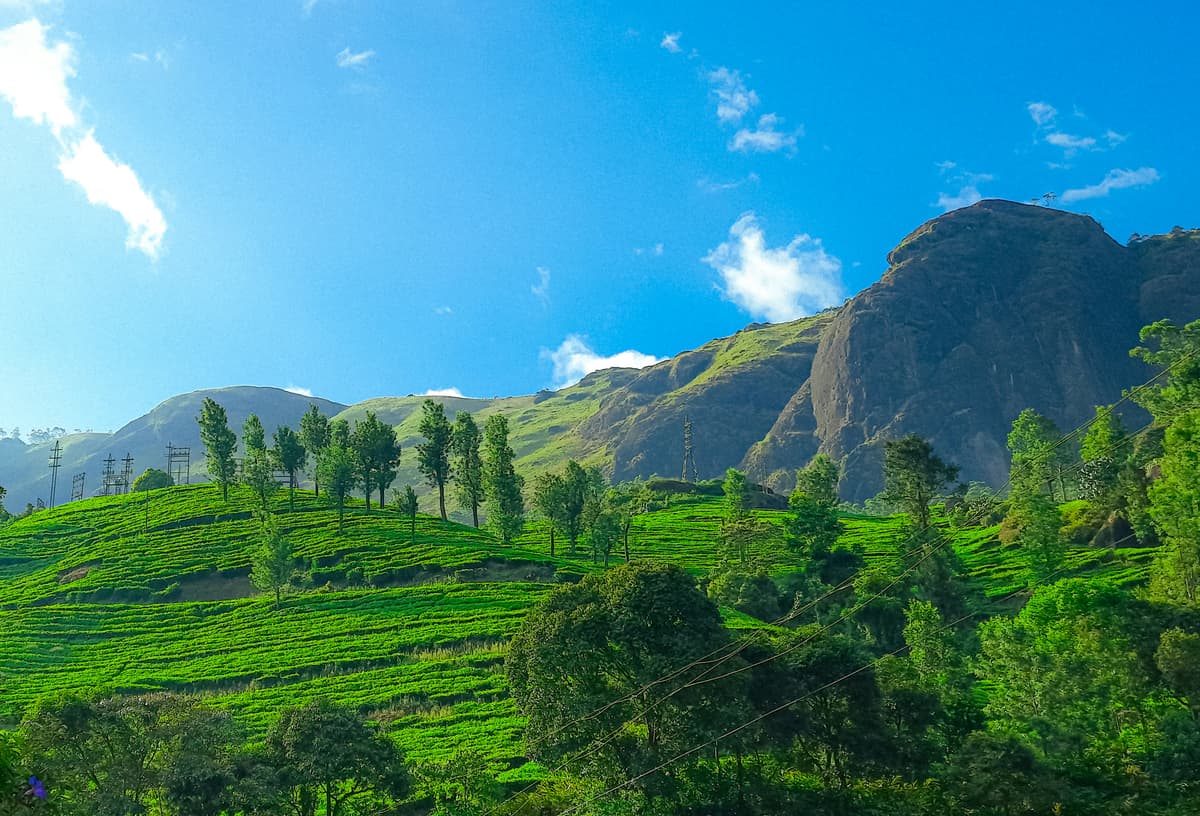
There’s a moment, standing at the lip of a canyon so vast it swallows sound, or watching steam rise from a turquoise hot spring at dawn, when you realize the planet is showing off. I still remember the mist of Iguazu soaking my last dry shirt—a complete packing fail—but the rainbow forming in the spray made it irrelevant. For backpackers, families, and solo wanderers, chasing these geological masterpieces isn't just a luxury trip; it’s a budget-friendly pilgrimage. You just need to know where to look and how to stretch a dollar until it screams.
Why Natural Wonders Are the Ultimate Budget Trip
Unlike cities that charge entry to every museum and observation deck, nature usually asks for just a park fee or a sturdy pair of boots. A $10 campsite on the rim of a canyon often delivers a sunrise that makes a five-star hotel lobby look dull. These destinations level the economic playing field. Whether you’re a family of four trying to bond over campfires or a solo traveler seeking silence, the raw power of a waterfall or the stillness of a desert doesn’t care about your bank balance. The real cost is physical effort, which makes the reward feel entirely earned.
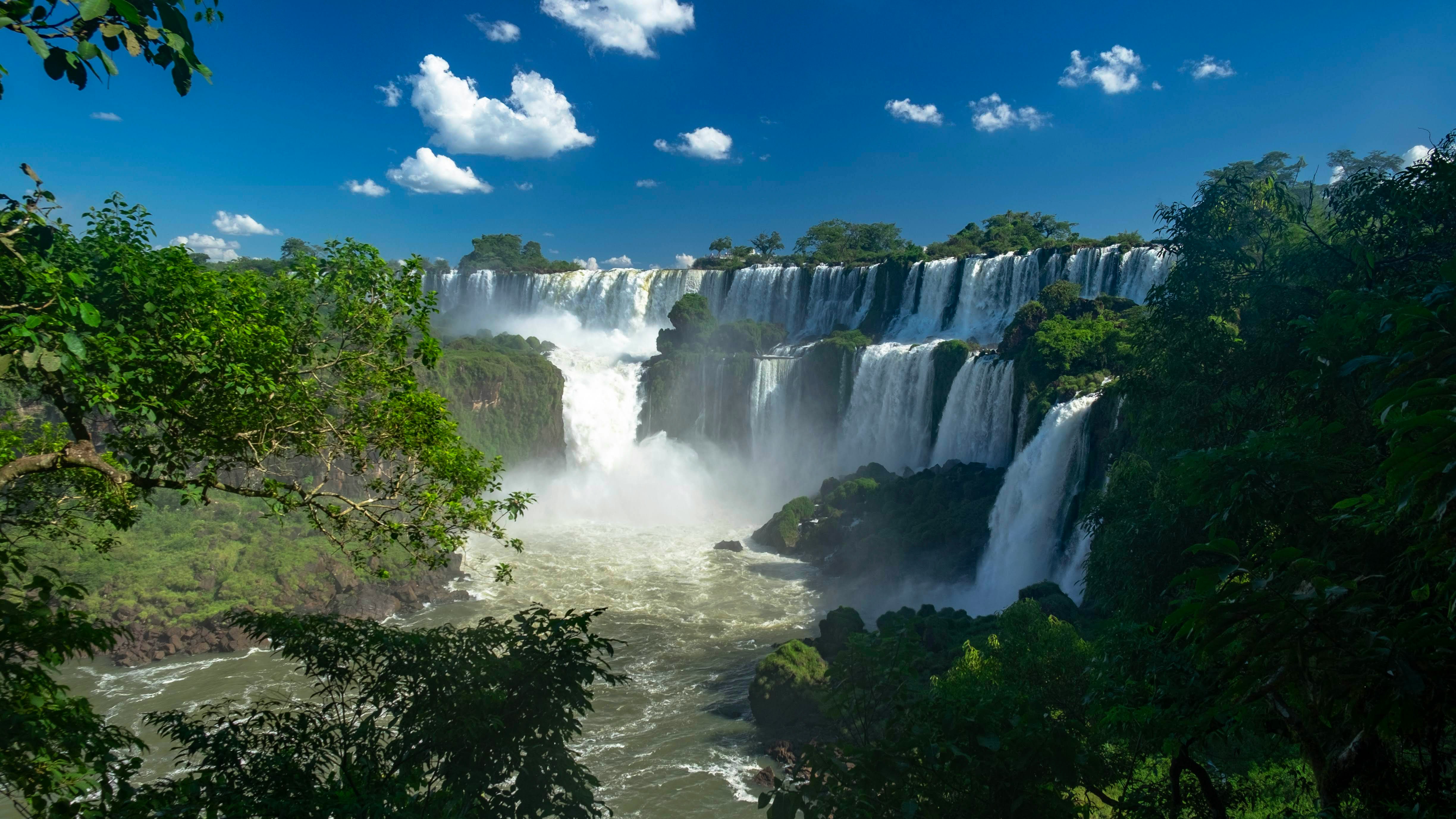
Massive Iguazu waterfalls cascading into a misty jungle gorge with a rainbow forming in the spray
Getting Off the Tourist Treadmill
The trouble with beauty is that it attracts crowds. Standing in line for a viewpoint can kill the vibe. The trick isn’t avoiding popular spots, but timing them right. Arrive at park gates before the tour buses roll in, or linger until the last shuttle departs. For major hits like Plitvice Lakes in Croatia or Banff in Canada, the shoulder season—late May or early October—offers empty boardwalks and cheaper local accommodation. If you’re traveling with kids, this slower pace also spares you the stress of keeping little hands from getting lost in a selfie-stick forest.
Start your hike 45 minutes before sunrise. Not only will you beat the heat and the entry queues, but you’ll also catch the golden light that turns a standard photo into a National Geographic cover.
How to Get There Without Draining Your Funds
Flights tend to be the wallet-killer, but flexibility reverses the math. Use regional budget airlines; for Southeast Asian wonders like Ha Long Bay, flying into Hanoi on a low-cost carrier often costs less than a family dinner back home. In South America, long-distance night buses are your best friend. They save on a night’s lodging and drop you at the trailhead by morning. For the salt flats of Uyuni, Bolivia, bouncing into the town of Uyuni on a cama bus from La Paz is a dusty rite of passage that costs under $25.
Timing the Weather for Perfect Views
Standing in front of a mountain that’s hidden by rain clouds is a special kind of heartbreak. The dry season isn’t always the best season. Iguazu during the rainy period flows with primal fury, but the walkways are drenching. Norway’s fjords glow under the midnight sun in summer, but autumn brings Northern Lights and empty trails. For families bound by school holidays, August can be chaotic and pricey in Europe’s natural parks; opt for lesser-known peaks in Slovenia instead of the Swiss Alps to escape the markup.
The Visa Run and Border Realities
Don’t let a missing stamp ruin your trail magic. While Southeast Asia offers easy visa-on-arrival for many passports, places like Brazil’s Lençóis Maranhenses require advance planning if your nationality demands a visa. Always check the official embassy site, not just a random blog. E-visas have simplified entry for countries like Vietnam and Turkey, processing within three days. I keep digital copies of my passport in a locked notes app, plus a physical photocopy hidden deep in my backpack—saved me in a torrential downpour in Costa Rica.
Moving Around Without Google Maps
In remote natural areas, the blue dot on your screen often lies. Download offline maps via Maps.me or Organic Maps before you leave the hostel Wi-Fi. Hitchhiking is culturally acceptable in rural Iceland and New Zealand’s South Island, but it’s outright dangerous in other regions. For families, renting a car might actually be cheaper than four bus tickets and gives you control over bathroom breaks. In places like Cappadocia, renting a scooter to chase the hot air balloons at dawn costs a fraction of a guided tour.
Counting Coins: Real Budget Breakdown
Natural wonder trips can cost $30 a day or $300. The secret lies in sleeping close to the trail and eating where the guides eat. In El Chaltén, Argentina, a dorm bed and a home-cooked stew set you back $25, but the Fitz Roy hike is free. In contrast, viewing Niagara from the US side is free, while the Maid of the Mist boat tour adds a steep cost. Cook your own breakfast, carry a reusable filter bottle (non-negotiable), and look for 'combo tickets' that bundle multiple parks.
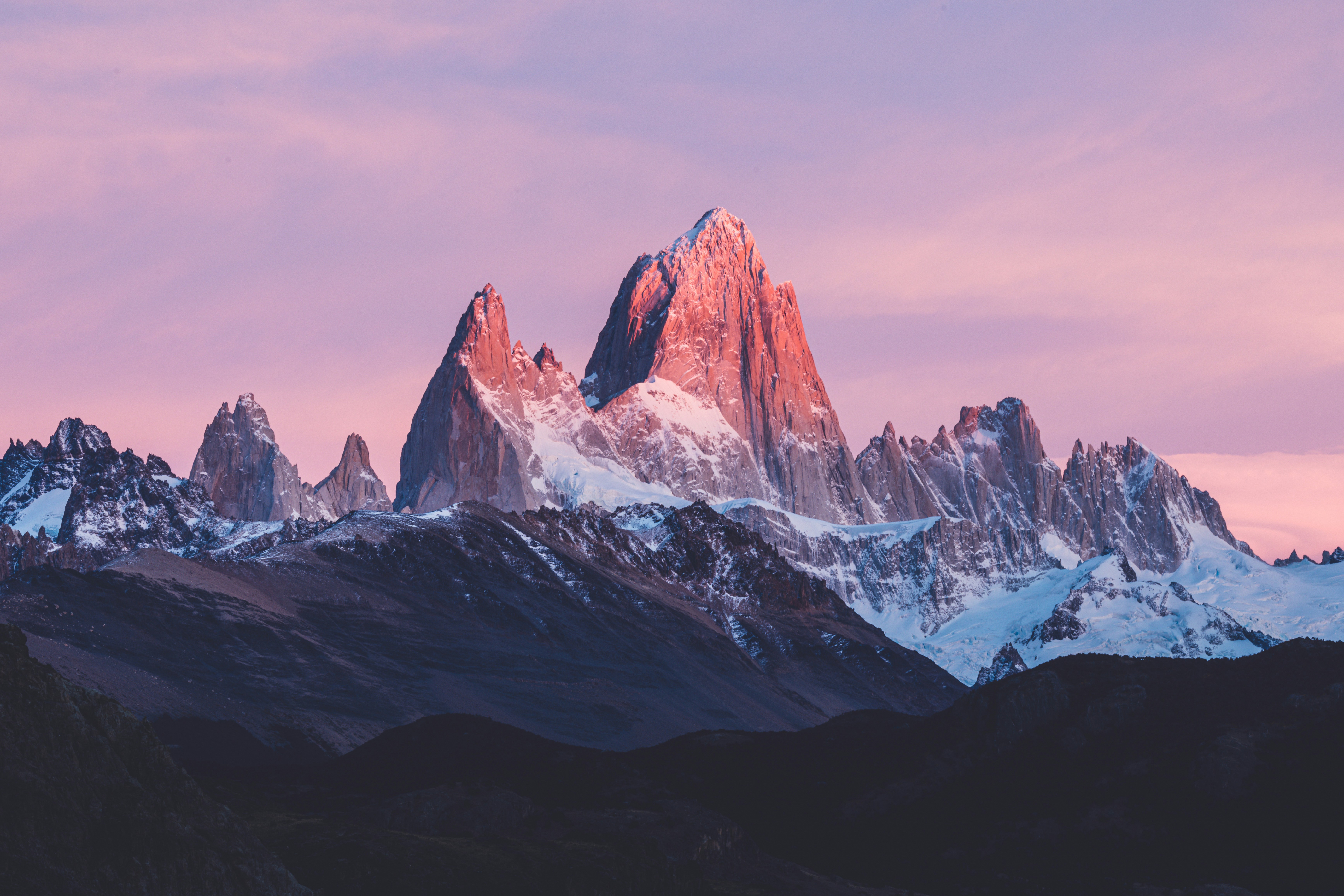
Silhouette of a solo backpacker watching the orange sunrise hitting the jagged peaks of Mount Fitz Roy in Patagonia
Sleeping Under the Stars and in Hostel Dorms
Wild camping is the ultimate wallet-saver, but legalities differ. It's a right to roam in Scotland and parts of Scandinavia, but in places like Yellowstone, you’re bound to designated campgrounds—book them months ahead. For families, 'glamping' pods in Slovenia’s Triglav National Park offer comfort and a connection to nature for a mid-range price. Solo travelers should always check hostel reviews for a 'social vibe' if they want hiking buddies; a $12 dorm in Cusco often includes a hot shower and a local guide recommendation that’s cheaper than any agency.
Fueling the Hike: Local Food Wins
Pack protein bars if you must, but live on the local bread, cheese, and street fruit. In Sapa, Vietnam, a steaming bowl of pho costs $2 and powers you through terraced rice paddies. In Georgia, the khachapuri (cheese bread) is a calorie bomb perfect for a Kazbegi trek. Avoid the restaurants with picture menus right at the park entrance; walk 200 meters back toward the village. Your stomach and wallet will thank you.
Crowd-Pleasers and The Paths Less Traveled
Angkor Wat and the Grand Canyon aren't overrated; they’re just busy. To appreciate them, find the back door. For Angkor, skip sunrise at the main reflection pool and cycle to the quieter Preah Khan temple. For the Grand Canyon, the North Rim sees a tenth of the visitors of the South Rim. Hidden gems like the rainbow-striped mountains of Zhangye Danxia in China or the glowworm caves of Waitomo in New Zealand—specifically the free Ruakuri walk—offer similar 'wow' factors without the elbow-bumping.
Some stunning spots like the 'Heaven's Gate' in Bali are purely risky social media traps. Just because you saw it on a reel doesn’t mean it’s safe or legally accessible. Stick to established trails.
Crafting a 10-Day Nature Lover's Circuit
If you want a snapshot of diverse wonders, try this loop: Fly into Hanoi, spend Day 1 recovering with street food. Days 2–3 cruise Ha Long Bay’s limestone karsts on a budget junk boat. Day 4 bus to Ninh Binh to cycle through rice fields and river caves. Days 5–7 fly to Siem Reap and explore the temples at a slow pace. Days 8–10 dip down to the Cardamom Mountains for jungle trekking. You’ll hit water, karsts, ruins, and deep forest for under $350 excluding flights.
Manners in Mother Nature’s House
Natural wonders often double as sacred sites. Mount Kailash in Tibet is not a summit to be climbed but circled in a respectful kora. In Bali’s waterfalls, keeping your voice down and not leaving underwear strewn around (it happens) matters. In Maori lands in New Zealand, respect the tapu (sacred) status of certain water bodies; don’t wash your dishes in them. Learning a simple 'thank you' in the local dialect opens doors that your phrasebook can’t.
Staying Safe on the Edge
Selfie deaths at natural sites are a tragic epidemic. Widen your safety margin; wet rocks at a waterfall are like ice. If you’re solo, send a planned route to a trusted contact. In bear country like the Canadian Rockies, clap and talk loudly rather than wearing bells, which are useless. The biggest hidden danger, though, is dehydration in dry heat. In Jordan’s Wadi Rum, the breeze feels cooling, but you’re losing water rapidly. Always carry double the water you think you need.
Digital Detox and SIM Sorcery
The deeper into nature you go, the spottier the connection gets. Buying a local SIM card at the airport—like a Viettel SIM in Vietnam or a Claro SIM in Brazil—costs pennies and provides a lifeline for GPS and emergencies. For group travelers, a single Wi-Fi egg can connect a whole family. However, embrace the dead zones. Some of the most beautiful natural wonders, like the Amazon jungle or the Sahara’s edge, are best experienced with the phone switched to airplane mode, existing solely in the moment.
Photography Tips for the Memory Hoarders
You don’t need a full-frame DSLR to capture a wonder. A mid-range smartphone with a solid HDR mode will nail a waterfall rainbow if you tap to underexpose slightly. For silhouettes against a setting sun at spots like Tumpak Sewu in Indonesia, lower the exposure and focus on the edge of the light. The golden hour is generous with mistakes, but the blue hour (just before sunrise) requires a steady tripod—or a stack of rocks with a 3-second timer. Protect gear from fine desert dust using a simple zip-lock bag.
Trash in paradise is a heartbreak. Carry a silicone zip bag for fruit peels and wrappers until you find a bin. In scrubland, burying human waste isn't enough; pack it out in a wag bag where required.
Common Blunders That Ruin the Trip
- Skipping travel insurance because 'it’s just walking.' A sprained ankle evacuation in a remote canyon can cost $50k.
- Wearing brand-new boots on a 15-mile day hike. Blisters don't care about your itinerary.
- Only carrying credit cards. Small villages near natural parks often run on cash.
- Overestimating fitness levels. Altitude sickness hits fit people too; acclimatize in Cusco before a Machu Picchu trek.
- Ignoring rainy season gear. A cheap poncho can save hypothermia and a dead phone.
Packing the Smart Way
Weight matters when you’re hopping on and off buses. Here’s the non-negotiable kit: a headlamp for sunrise hikes, a quick-dry microfiber towel, a reusable water bottle with a filtration system (LifeStraw or Grayl), electrolyte powder packets, duct tape wrapped around a trekking pole (blister hacks), and a lightweight rain shell. For families, a compact game like Uno can soothe tired little hikers.
Ready to chase some auroras or camp by a crater lake? Finding local guides, offline maps, and budget accommodation is a puzzle when you're solo parenting on the road or backpacking for the first time. The VoyZee Travel app bundles curated eco-routes, safety alerts, and local food recommendations so you can stop planning spreadsheets and start chasing sunrises.
Frequently Asked Questions
Are natural wonders safe for solo female travelers?
Absolutely. Many parks like those in Japan, New Zealand, and Slovenia are extremely safe. Stick to well-reviewed hostels, join group day treks for remote areas, and trust your gut. Daytime hiking is generally safe; avoid isolated trails after dark.
How do I keep my kids entertained on long nature walks?
Turn it into a scavenger hunt. Looking for specific bird species, colorful fungi, or unique rock formations keeps them engaged. Frequent snack breaks and giving them a cheap digital camera to document their own journey also works wonders.
Can I find vegetarian or vegan food near remote parks?
It's getting easier, but don't rely on it. In meat-heavy places like Argentina, pack protein bars and nuts. In Buddhist-heavy regions like Northern Vietnam or Sri Lanka, vegetarian food is abundant and delicious.
Is Wi-Fi common in national parks?
Rarely inside the park boundaries, and that’s the point. Visitor centers and the cafes just outside the gates usually have a connection strong enough to send an update home.
How do I book budget tours without getting scammed?
Never book on social media via random ads. Use hostel receptions, local tourist offices, or aggregated reviews on platforms like GetYourGuide. Paying a small deposit with a credit card offers more protection than wiring cash.
What's the best way to carry money?
Carry two cards hidden in different places. A money belt worn under clothing with an emergency $100 bill and a photocopy of your passport is timeless advice that still holds up.
Do I need a guide for these natural wonders?
In some places, yes. For safety and legal reasons, places like Danakil Depression in Ethiopia or glacier walks in Iceland mandate guides. However, public transport easily connects you to trails in most European and Southeast Asian parks without a guide.
How do I handle altitude sickness?
Ascend slowly and spend two days acclimatizing at 2,500m before going higher. Coca leaves for tea in the Andes really help, and the medication Diamox is a reliable backup available over the counter in many mountain towns.
Is it ethical to ride elephants or swim with captive dolphins?
No. Truly appreciating nature means observing wildlife without disturbing it. Visit ethical sanctuaries where you observe rescue animals in a large habitat, and never support operations that force animals to perform.
What are the most underrated natural wonders for budget travelers?
Albania’s Blue Eye spring, Guatemala’s Semuc Champey, and the Philippines' Siquijor Island are all spectacular and significantly cheaper than their heavily Instagrammed counterparts.
Can I drink the stream water with a filter?
A good purifier eliminates bacteria and protozoa, but beware of chemical runoff near agricultural land. Always check with a local ranger about water source safety before filtering.
How do I find the best sunrise spots?
Use the PhotoPills app to track the sun's exact trajectory. Arrive the evening before to scout your composition in the daylight. Some of the most beautiful natural wonders look best from east-facing viewpoints.
What if I need to cancel due to extreme weather?
Nature is unpredictable. Always book flexible 'free cancellation' rates on accommodation, even if it costs a dollar more. Check if your travel insurance covers weather-related disruptions, particularly during monsoon or hurricane seasons.

Written by VoyZee Team
Official VoyZee editorial team
