
Why Every Traveler Needs a 'Second Brain' (And How to Build Yours)

Traveler looking frustrated trying to remember details from past trips
You've been to fifteen countries, but you can't remember which European city had that incredible café. You spent two weeks in Japan three years ago, but the name of that perfect ramen spot in Osaka has vanished from memory. A friend asks for Thailand recommendations, and you struggle to recall the details of your own trip from just last year.
Sound familiar? You're experiencing the traveler's paradox: the more you explore, the harder it becomes to remember and access your experiences. Your biological brain, remarkable as it is, simply wasn't designed to catalog dozens of destinations, hundreds of recommendations, and thousands of travel details across years of adventures.
Enter the concept of a "second brain" for travel—an external system that captures, organizes, and surfaces your travel knowledge exactly when you need it. This isn't about obsessive documentation or turning travel into homework. It's about building a personal travel intelligence system that makes you a better planner, a more valuable friend, and someone who actually remembers the incredible experiences you've invested time and money into creating.
What Is a Travel Second Brain?

Visual representation of a digital brain filled with travel icons and destinations
The term "second brain" comes from productivity expert Tiago Forte, who advocates for creating external systems to capture and organize information we'd otherwise forget. For travelers, a second brain serves as your personal travel encyclopedia—a repository of everywhere you've been, everything you've learned, and all the knowledge you've accumulated through your adventures.
Unlike your biological memory, which fades, distorts, and becomes less accessible over time, your travel second brain grows more valuable with each trip. It becomes a compounding asset, where each new experience adds context and connections to previous ones.
Think of it as the difference between having traveled extensively and being a knowledgeable traveler. The former is about accumulation; the latter is about retention and application.
Why Your Brain Alone Isn't Enough
Human memory is notoriously unreliable, especially for details. Research shows we forget approximately 50% of new information within an hour and up to 90% within a week. Travel memories fade even faster because they compete with the constant influx of novel experiences.
You might vividly remember the emotional highlights—that sunset in Santorini, the awe of seeing Machu Picchu—but the practical details disappear. What was that guesthouse in Chiang Mai? Which train did you take from Prague to Vienna? What was the name of your guide in Morocco who gave such incredible local insights?
These forgotten details represent lost value. Every trip is an investment of time, money, and energy. When you can't access what you've learned, you're essentially starting from scratch each time—rewatching the same recommendations, making the same mistakes, and unable to help friends who ask for advice.
Moreover, our biological memory is terrible at pattern recognition across time. Your second brain can reveal insights your organic one misses: you've visited five countries with incredible street food, you tend to love coastal cities, or you've accidentally become an expert on Baroque architecture without realizing it.
The Five Pillars of a Travel Second Brain
An effective travel second brain captures five critical categories of information:
- Where You've Been: A comprehensive record of countries, cities, and specific locations you've visited. This seems basic, but it's foundational. Without knowing your travel history, you can't identify gaps, avoid accidental repetition, or answer the simple question "how many countries have you visited?"
- When and With Whom: Dates and travel companions provide crucial context. They help you reconstruct timelines, remember who has been where (essential for planning group trips), and associate experiences with specific life phases.
- What You Experienced: The highlights, hidden gems, disappointments, and everything in between. Which museum blew your mind? Which "must-see" attraction was overrated? What unexpected discovery became your favorite memory?
- Practical Intelligence: The operational details that help you (and others) travel better. Hotel names, transportation tips, budget breakdowns, visa requirements you encountered, and any lessons learned the hard way.
- Future Aspirations: Where you want to go next and why. Your second brain should capture not just the past but the future—destinations that intrigue you, recommendations you've received, and trip ideas you want to remember.
How to Build Your Travel Second Brain
Building a second brain might sound overwhelming, but it's actually quite simple if you follow a progressive approach.
Start with the Foundation: Map Your History
Begin by creating a simple record of everywhere you've been. Just countries and approximate years at first. Don't get bogged down in perfect detail—you can always add more later. This initial mapping gives you a baseline and often sparks memories of trips you'd nearly forgotten.
This step alone is valuable. You'll see your travel footprint visually, identify patterns in your preferences, and get a realistic sense of how much of the world you've explored.
Layer in Context Gradually
Once you have the basic framework, start adding detail—but do it gradually and opportunistically. When a friend asks about Vietnam, that's the perfect time to fill in your Vietnam entry with specific recommendations. When you're planning a return trip to Europe, add notes to the countries you've already visited.
Don't try to document everything at once. Let your second brain grow organically as you need information from it.
Capture New Trips Immediately
The real power emerges when you start capturing new trips in real-time or immediately after. Spend thirty minutes after each trip adding highlights, recommendations, and lessons learned while they're fresh. This small investment pays compound dividends.
Some travelers even update their second brain during trips, adding notes about restaurants or attractions while details are still vivid. A quick note typed on your phone after an amazing meal ensures you'll remember it years later.
Make It Visual
Interactive travel map with photos, notes, and pins on different destinations
Humans are visual creatures. A list of country names doesn't inspire the same way a colorful map does. A wall of text about your Vietnam trip doesn't capture the experience like photos integrated with your notes do.
The most effective second brains incorporate visual elements—maps showing your travel footprint, photos connected to locations, maybe even stats showing your progress toward travel goals. These visual cues make the information more memorable and more enjoyable to revisit.
Keep It Accessible
Your second brain is useless if you can't access it when you need it. It needs to live somewhere you can easily reach from any device—your phone while planning at a café, your laptop while researching at home, or even quickly on a friend's device when they ask for recommendations.
Cloud-based solutions beat notebooks and spreadsheets precisely because of this accessibility. The best travel second brain is the one you actually use, which means it needs to be frictionless.
The Compound Benefits

Traveler showing friends travel recommendations on a laptop
Once you've built your travel second brain, the benefits compound in surprising ways:
- You become the go-to resource in your friend group for travel advice. People start asking you about destinations because they know you'll have thoughtful, specific recommendations.
- Trip planning becomes faster and smarter. Instead of starting research from zero, you already know which travel bloggers you trust, which booking sites work best, and which destinations pair well for multi-country trips.
- You avoid repeating mistakes. That overpriced tourist trap in Rome you regretted? You'll remember to avoid similar situations. That brilliant hack for getting cheap flights to Southeast Asia? You won't forget it.
- You create a legacy. Your travel second brain becomes a gift you can share with children, friends, or even strangers planning their own adventures. It's a curated collection of your hard-won travel wisdom.
- You discover patterns about yourself. Maybe you're drawn to coastal cities, or you consistently love destinations with strong coffee culture, or your favorite memories involve local food experiences rather than major attractions. These insights help you travel in alignment with your genuine preferences.
- Your memories stay vivid longer. By periodically reviewing your second brain, you reinforce the neural pathways associated with those experiences. The restaurant in Barcelona becomes findable again. The perfect hotel in Kyoto can be recommended to others. Nothing is lost.
Common Mistakes to Avoid
Tools for Your Travel Second Brain
The right tool depends on your preferences and needs. Some travelers prefer comprehensive apps that integrate maps, photos, notes, and statistics. Others like simple note-taking apps where they manually organize travel information. Still others combine multiple tools—a mapping app for visualization, a journal app for detailed memories, and a photos app for images.
The key is choosing something you'll actually use consistently. The best system is the one that fits naturally into your workflow, whether that's typing notes on your phone, updating a digital map, or maintaining a hybrid digital-analog system.
What matters most isn't the specific tool but the habit of capturing and organizing your travel knowledge. Start with whatever feels easiest, and refine your system over time as you discover what works for you.
Start Building Today
You don't need to have visited fifty countries to benefit from a travel second brain. Even if you've only been to three destinations, documenting them now prevents future amnesia. And starting with a manageable amount of information makes the habit easier to establish.
Take thirty minutes today to create the foundation. Map where you've been. Add a few notes about your favorite trips. Mark one or two places you want to visit next. That's it—you've started your second brain.
Then, commit to updating it after your next trip. Just add the basics while they're fresh. Over time, this simple practice builds a remarkable resource that transforms how you think about, plan, and remember your travels.
Your biological brain will continue doing what it does best—experiencing wonder, forming emotional connections, and creating the moments that make travel meaningful. Your second brain will handle what it does best—remembering details, organizing information, and ensuring that nothing you've learned gets lost.
Together, they make you not just someone who travels, but someone who grows wiser with every journey.
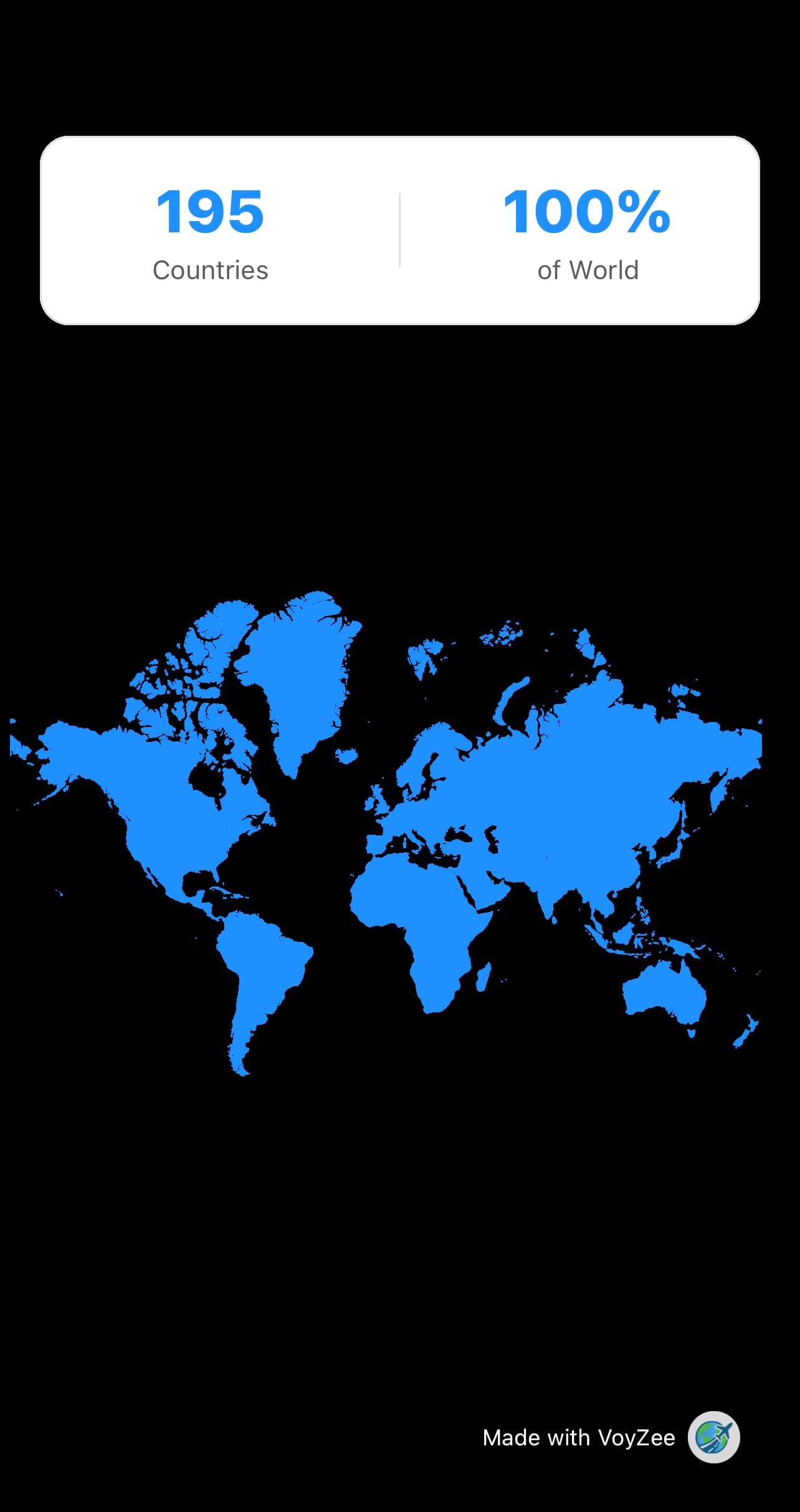
VoyZee Travel app showing second brain features with maps, memories, and organization tools
Ready to build your travel second brain? VoyZee Travel offers an intuitive platform to map your adventures, capture your memories, and organize your travel wisdom in one accessible place. Because your experiences are too valuable to forget.

Written by VoyZee Team
Official VoyZee editorial team
