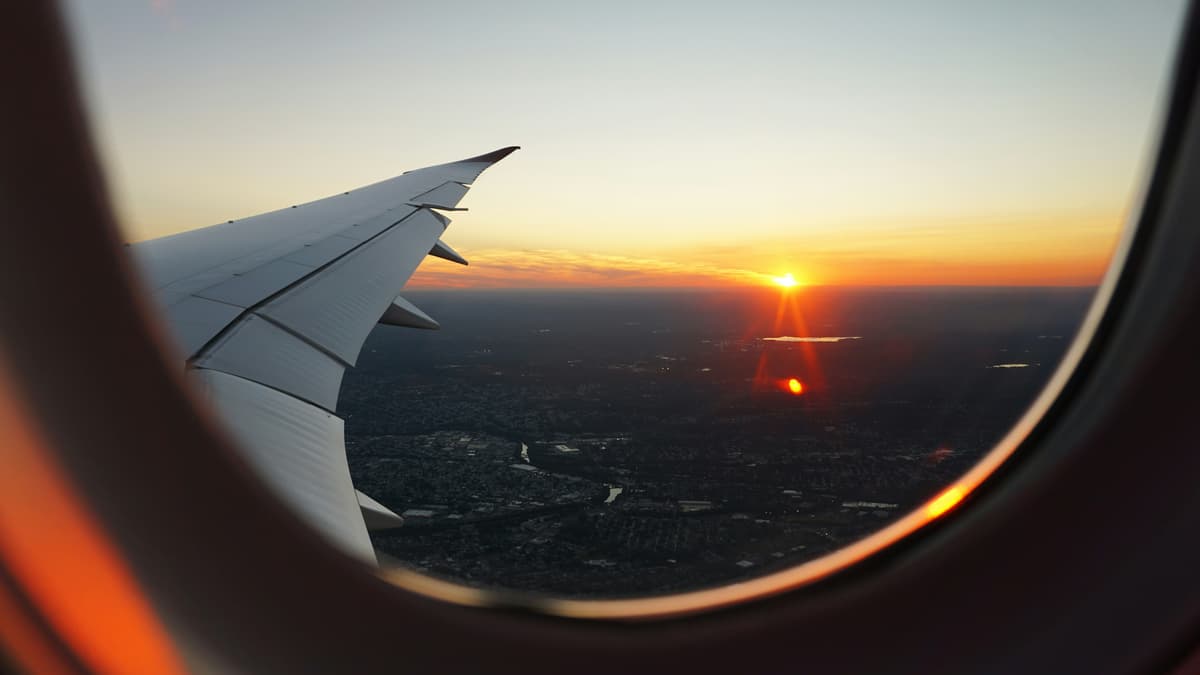
Picture this: You are three days into a long-awaited trek through the rice terraces of Northern Vietnam. The path is slick from last night's rain. One wrong step, a sickening pop in your ankle, and suddenly the stunning vista is replaced by the clinical white of a rural hospital ceiling. The doctor recommends surgery. The cost? $15,000. The nearest decent facility? A medical evacuation flight to Bangkok. The price of that helicopter? You don’t even want to know. Now, ask yourself again: is travel insurance really worth it?
The Real Cost of 'Just Risking It'
No one buys a policy planning to break a leg or lose a passport. We buy it for the unknown. I’ve met backpackers in hostels who swear they’ve traveled for a decade without it, saving thousands in premiums. Then I’ve met the traveler in Cusco who had to crowdfund $40,000 for an emergency appendectomy because he didn't have coverage. The truth isn't about the probability of something bad happening; it's about the financial gravity if it does. A study by the U.S. Centers for Disease Control and Prevention noted that medical evacuation bills frequently range between $25,000 and $250,000 depending on the remoteness of the location. When you frame it like that, a $50 policy starts to look less like a cost and more like a safety net woven from gold-plated rope.
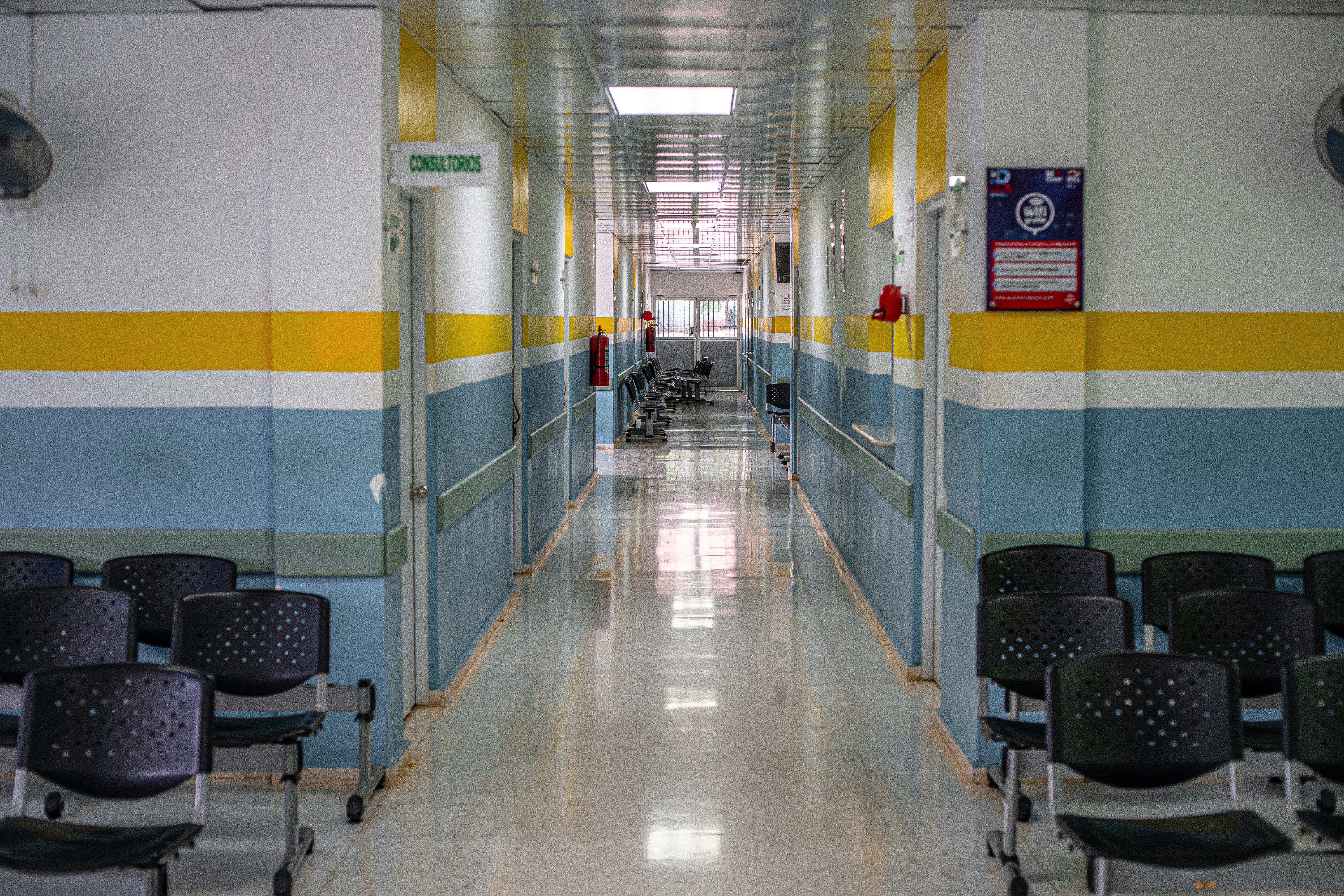
A simple rural hospital bed in Asia with an IV drip, illustrating the need for medical coverage abroad
Decoding the Fine Print: What's Actually Covered?
Not all policies are created equal, and the devil lives in the exclusions paragraph. Generally, a comprehensive policy acts like a three-legged stool. The first leg is Trip Cancellation and Interruption, which kicks in if a volcanic ash cloud grounds your flight or a family member falls ill right before departure. The second leg is Medical and Dental, covering everything from a scooter burn in Bali to a chipped tooth on a stale baguette in Paris. The third leg is Baggage and Personal Effects, saving your sanity when an airline reroutes your luggage to Warsaw instead of Wellington.
Most standard policies exclude 'adventure activities' unless you buy a specific upgrade. Scuba diving below 18 meters, bungee jumping, and driving a motorbike without a valid international license are common culprits. If you plan on riding a scooter in Thailand, make sure your policy explicitly covers it.
Adventure Add-Ons: When Standard Isn't Enough
If your idea of a holiday involves crampons, deep-water dives, or paragliding off a cliff in Colombia, you need a specialty adventure policy. These aren't just regular plans with a scary-sounding name; they cover Search and Rescue operations, altitude sickness above 4,500 meters, and repatriation costs that a standard plan laughs at. For a two-week trekking trip in the Himalayas, an adventure rider might bump your premium from $60 to $120. It’s a drop in the bucket compared to the cost of a private helicopter search party.

A rock climber scaling a steep cliff face with a stunning mountain backdrop
Special Scenarios: Families, Backpackers, and Digital Nomads
The type of traveler you are dictates the policy you need. A family of four hitting the resorts of Orlando has a completely different risk profile than a solo digital nomad bouncing between co-working spaces in Medellín. For families, the math is simple: kids are chaos vectors. They spike fevers at midnight and fall into hotel fountains. A family policy is non-negotiable, primarily because children are usually covered for free or at a heavily reduced rate under adult premiums. The refund potential for trip cancellation alone—when a child inevitably catches a cold the night before the flight—justifies the expense.
Backpackers on a gap year, however, fall into the 'high-risk, low-budget' category. You’re moving fast, carrying your life on your back, and statistically more likely to be a target for petty theft. Backpacker policies are designed for this, offering high medical limits with a low premium, but often a higher deductible. Digital nomads need 'living abroad' insurance, not just travel insurance. You need coverage that allows for return trips home without voiding the policy and covers non-urgent medical care, not just emergencies.
The Common Scams and Loopholes
Insurance is a heavily regulated industry, but that doesn't stop bad actors from selling you a paper-thin promise. Beware of policies sold by airlines during the checkout process. They are almost always inferior to independent providers, often capped at laughably low medical limits with no hospital direct-pay option. Another trap is the 'pre-existing condition' window. Buying a policy 48 hours before a trip usually won't cover you if your chronic back pain flares up abroad. The 'look-back period' often ranges from 60 to 180 days. If you have a pre-existing condition, you need a waiver, which requires purchasing a policy within 14 to 21 days of making your first trip deposit.
In Southeast Asia, many travelers rent 125cc scooters thinking their standard insurance covers them. It doesn't. Unless you hold a motorcycle license in your home country AND an International Driving Permit, you are riding illegally. If you crash, the insurer will deny your medical claim, leaving you with a hospital bill and a damaged bike to pay for.
Budget Travel: Is There a Cheaper Way?
If you’re traveling on a shoestring budget—sleeping in $5 dorm beds and eating street food—spending $3 a day on insurance feels counterintuitive. But it's the budget traveler who can least afford a disaster. A $3-a-day policy is cheaper than the daily coffee habit you swore you’d quit on this trip. Skip the insurance and you’re essentially gambling your future financial stability on the assumption that your luck holds out. I once met a solo traveler in Mexico City who used a credit card’s built-in travel insurance to cover a trip interruption. She had to front $2,000 for a new last-minute flight and wait six months for reimbursement. If you rely on credit card insurance, understand that it's 'reimbursement-based,' meaning you need deep pockets to float the costs.
- Never buy from the airline. Always use a comparison site like Squaremouth or InsureMyTrip.
- Annual plans are way cheaper if you take more than three trips a year.
- High deductible ($500+) plans drop the premium by up to 40% if you're healthy.
- Travel with a credit card that offers medical coverage, but treat it as backup only.
- Check if your home health insurance has an international network—rare, but it happens.
How to File a Claim (And Actually Get Paid)
This is where the rubber meets the road. Insurers are businesses, not charities. They will deny your claim if you lack a paper trail. The moment you get injured or robbed, you become a part-time detective. You need a police report for theft within 24 hours. You need a doctor’s report that reads like a novel, not a sticky note. Take photos of everything: the wet floor you slipped on, the empty safe in the hotel, the overbooked flight gate. If you don't document it, it didn't happen.
Before you leave, email yourself a photo of your passport, policy number, and the insurer’s 24/7 collect-call number. If your phone gets stolen, you can still access all crucial data from any internet-connected device in a hostel lobby.

A traveler taking a picture of a damaged suitcase at an airport baggage claim to document for insurance
Real Stories from the Road
I thought I was invincible until I got dengue fever in Colombia. The hospital bill was $4,200. My insurance paid the hospital directly—I just handed them a card. Without it, I would have maxed out my emergency credit card and been in debt for years.
On the flip side, consider the father of two who booked a non-refundable villa in Tuscany for a family reunion. Two weeks before departure, his mother-in-law suffered a stroke. Because he had 'cancel for any reason' (CFAR) coverage—an expensive upgrade costing about 40% more—he got 75% of his $8,000 outlay back. The standard policy wouldn't have touched it because an aging relative's illness is often excluded as a 'foreseeable event.'
Technology and The Instant Safety Net
The era of carrying a booklet of emergency numbers is long gone. Modern travel planning tools allow you to store your policy documents digitally, trigger emergency SOS signals, and even facilitate direct hospital billing without the upfront panic. In a high-stress medical situation where language barriers blur everything, having a single dashboard that connects you instantly to English-speaking case managers is life-altering. On a recent trip through the Balkans, I found myself in a non-responsive booking situation. Having a centralized travel dashboard on my phone meant I could rebook, pivot, and ensure my family at home knew my updated itinerary without a frantic chain of forty WhatsApp messages.
The Verdict: When to Buy and When to Skip
So, is travel insurance worth it? If you cannot afford to lose the cost of your trip in cash, you need trip cancellation. If you don't have $50,000 in liquid savings to cover a medical disaster abroad, you need medical coverage. The only time I’d advocate skipping it is if you’re taking a short, refundable domestic train trip where your home health insurance applies. For everything else—cruises, safaris, backpacking, ski seasons—it’s a mandatory line item on the budget, just like your passport fee. Travel with peace of mind, not a prayer.
Don't let your insurance PDF gather digital dust in an inbox folder you can't find when you need it most. The VoyZee Travel app helps you store all your essential documents, generate real-time trip itineraries, and plan your logistics in one place. It’s the travel companion that ensures if something goes wrong, you're not scrambling—you're ready.
Frequently Asked Questions
Is travel insurance mandatory?
It's not mandatory for most destinations, but countries like Cuba, Turkey, and some Schengen Area states require proof of medical insurance for entry. Some trekking permits, like those for Everest Base Camp, also require proof of evacuation coverage.
Can I buy travel insurance after I have left home?
Absolutely. Many companies offer 'already traveling' policies. You can buy a policy from a hostel Wi-Fi connection, though there’s usually a 24- to 72-hour waiting period before the medical benefits activate.
Does travel insurance cover COVID-19?
Most modern comprehensive policies treat COVID like any other sudden illness. They cover medical treatment and quarantine hotel costs if a test result is positive, but typically not the cost of a PCR test just for travel compliance.
What is a pre-existing condition waiver?
A waiver allows you to be covered for chronic issues like diabetes or past cancer treatments. You must purchase the policy within a specific window (usually two weeks) of your trip deposit to qualify, and you must be 'medically stable' at the time of purchase.
Will insurance cover a missed flight due to a delayed train?
Only if the train and flight were booked as a connected itinerary, or if you have a 'missed connection' rider. A standard policy won't cover it if you booked a cheap commuter train that broke down, causing you to miss your independent international flight.
How do I prove theft to an insurer?
You must file a police report immediately. Without a stamp from local law enforcement, your claim is void. Insurers know that tourists often fake theft claims, so they require hard proof of forced entry or a mugging report.
Can I get insurance for high-altitude trekking?
Yes. You need a specific adventure or high-altitude policy. Check the meter limit; many cap out at 4,000 meters, which is useless if you’re hitting the Thorong La Pass. Look for policies going up to 6,000 meters.
Is trip cancellation worth it for a cheap flight?
Probably not for a $50 budget airline hop, as the excess might be higher than the ticket. But it’s definitely worth it for a $1,500 business-class international fare or a non-refundable safari lodge.
What is a 'cancel for any reason' policy?
CFAR is a premium add-on allowing you to cancel for a reason not listed in standard policies—like getting a new job or just feeling nervous. It costs about 30-50% extra and usually refunds 50-75% of your trip cost.
Will insurance cover me if I’m drunk?
Almost universally, no. Most policies have a strict exclusion for injuries sustained while under the influence of alcohol or non-prescribed drugs. If you break a leg falling off a bar stool, you’re likely footing the bill yourself.
Do families pay extra for kids?
Usually, no. Kids under 17 or 18 are typically free on a family plan when traveling with a covered adult. This makes family insurance incredibly cost-effective compared to paying for four individual policies.
What's the difference between primary and secondary coverage?
Primary coverage pays your medical bills without you needing to bill your home health insurance first. Secondary coverage requires you to file with your home insurer first and only pays the leftover balance (deductibles/copays).
Can I extend my policy while already traveling?
Yes, most providers let you extend before the expiration date, provided you haven't already filed a claim. You can’t extend after it has lapsed; you’d have to buy a brand new 'already traveling' policy.

Written by VoyZee Team
Official VoyZee editorial team
