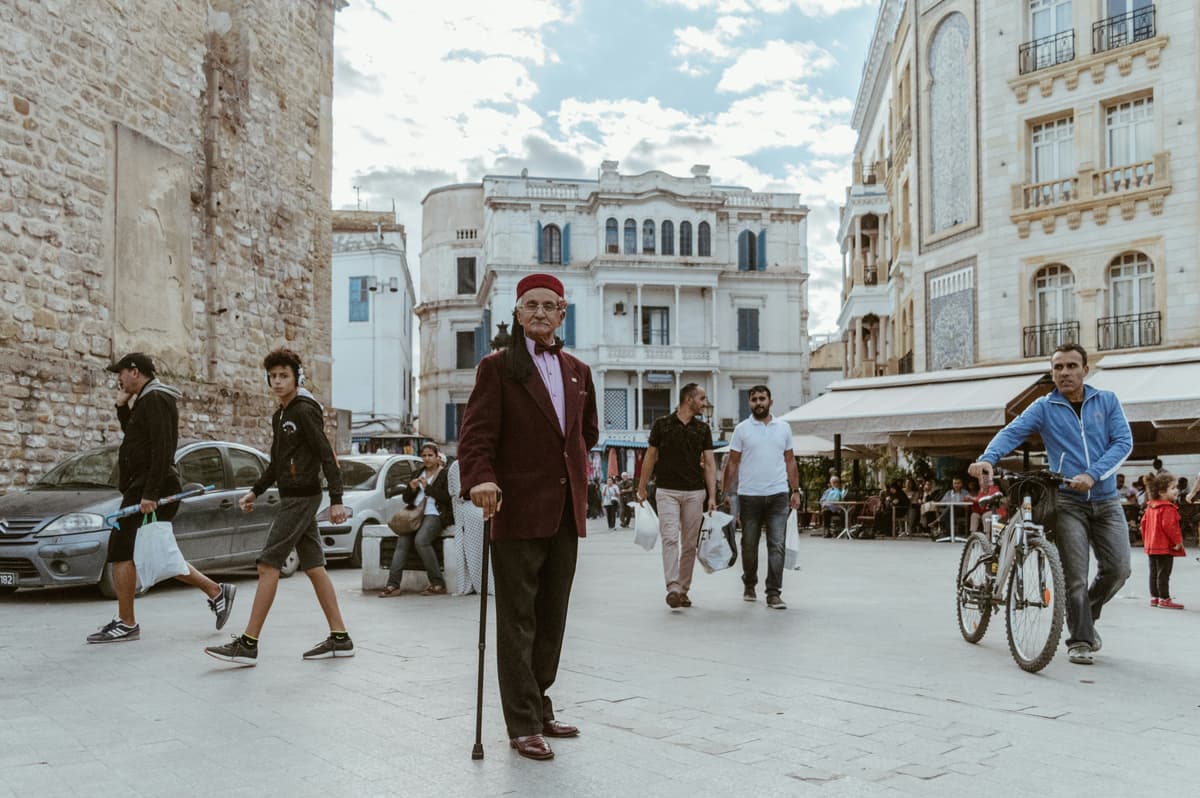
Tunis: City of Layers
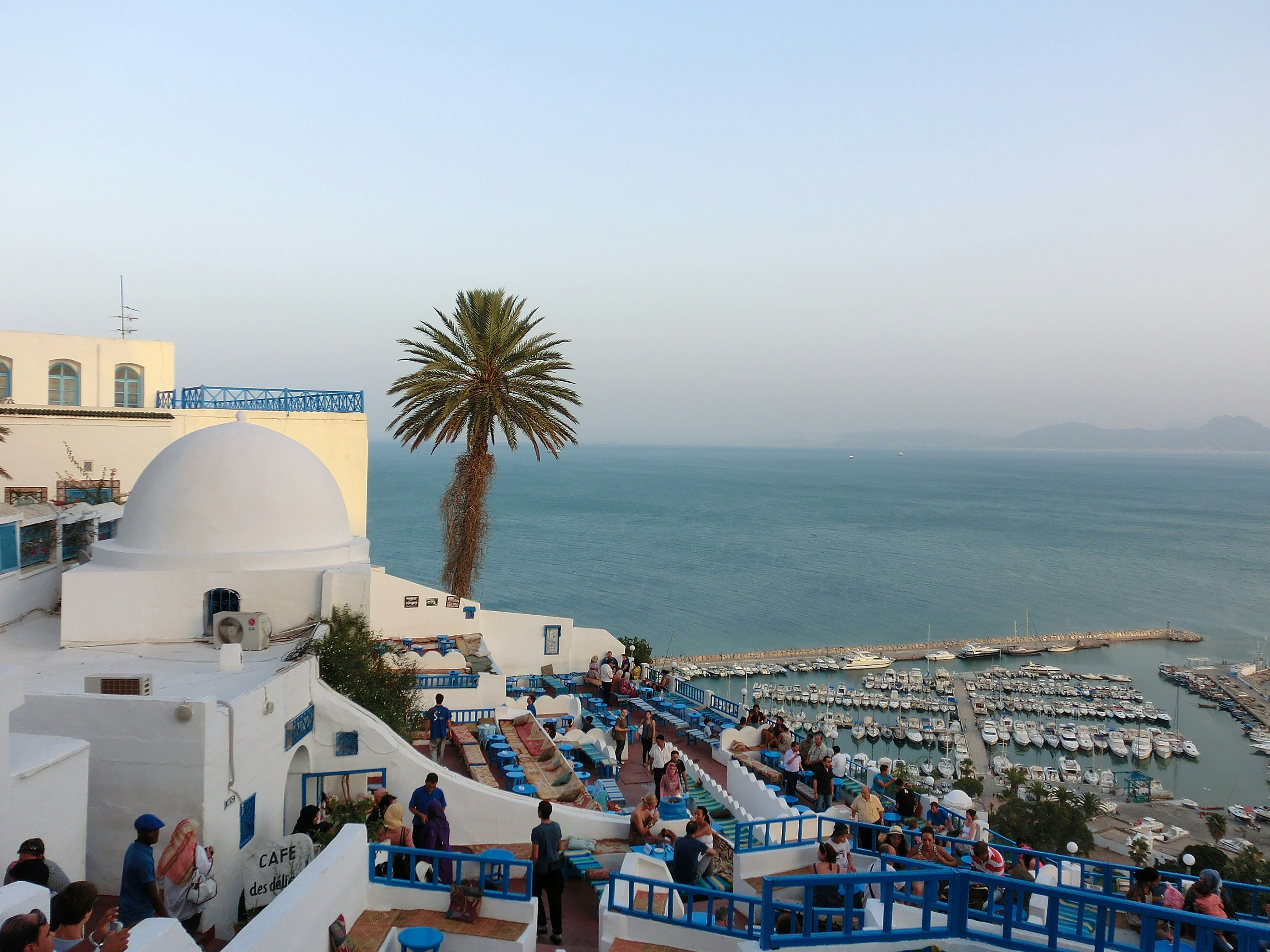
Skyline view of Tunis with ancient and modern buildings
Tunis, Tunisia’s capital, stands testament to millennia of change and fusion, shaped by the Berbers, Phoenicians, Romans, Arabs, Ottomans, and French, each leaving a distinctive mark on its story.
Ancient Beginnings: Berber and Carthaginian Roots
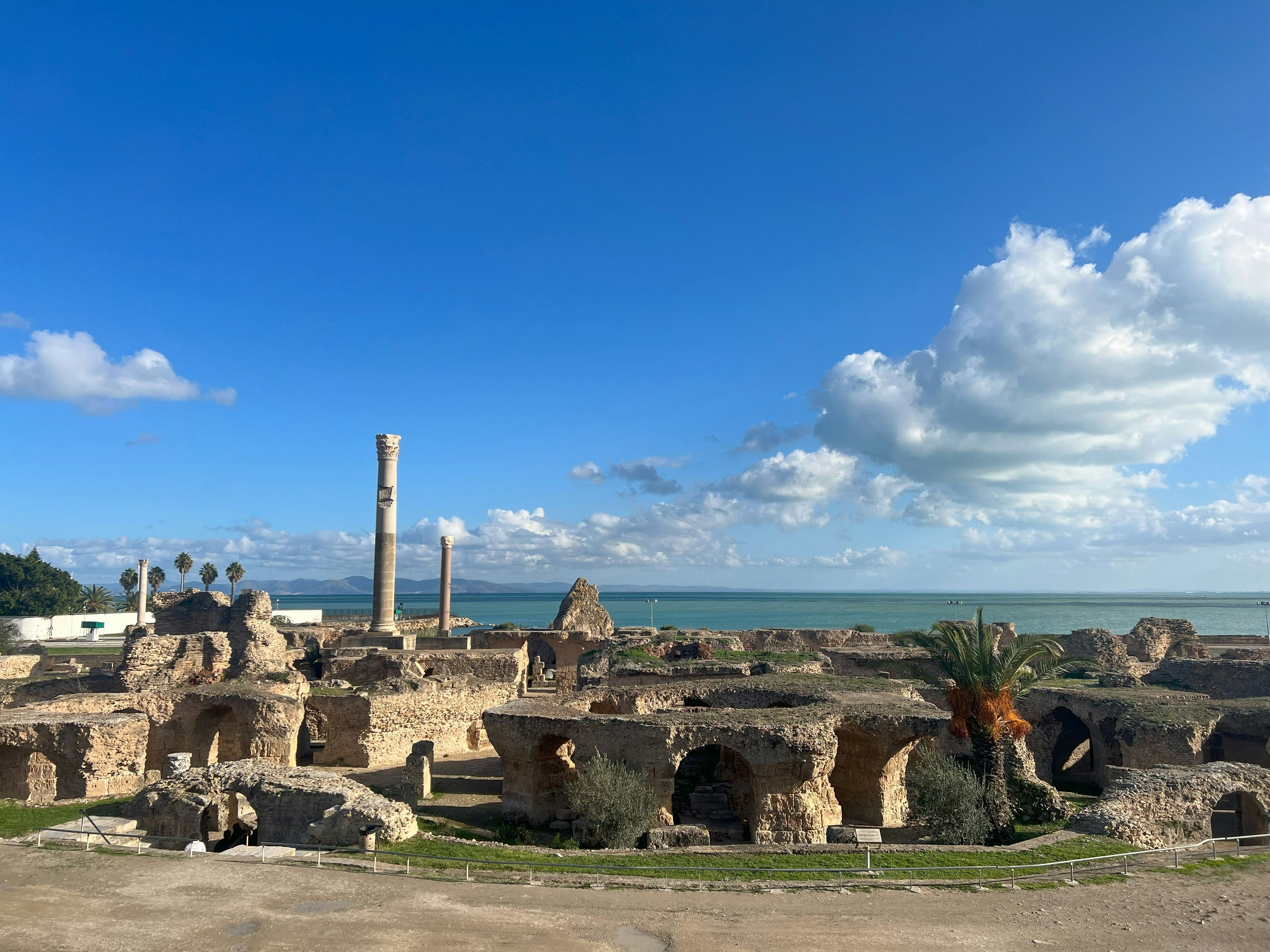
Ruins of Carthage near Tunis, Tunisia
Tunis began as a Berber settlement called 'Tunes.' The nearby city of Carthage rose to prominence in the twelfth century BCE, thriving on Mediterranean trade until its defeat by Rome in 146 BCE changed the region forever.
Birth of the Medina: The Arab Era
Arab invaders founded the heart of Tunis in 698 CE, building a mosque and establishing the Medina, a labyrinth of mosques, souks, and palaces. Over centuries, Tunis became the center of commerce and administration in Ifriqiya.
Berber Dynasties: Golden Age
During the Almohad and Hafsid periods (12th–16th centuries), Tunis reached its zenith, bustling with trade and scholarship. The Medina—today listed by UNESCO—is the living heart of this golden age.
Ottoman, French, and Modern Tunis
Ottoman rule in the 16th century and later French colonization brought new districts and architecture. Modern Tunis is a dynamic fusion of ancient medina and European-style boulevards, most famously Avenue Habib Bourguiba.
A City That Tells Its Story

Traditional Tunisian café in the medina
Every step in Tunis reveals centuries of culture—from the ruins of Carthage to markets bursting with spices, from Ottoman palaces to bustling cafés. Modern-day Tunis is a living story, waiting for travelers to explore its depths.

Written by VoyZee Team
Official VoyZee editorial team
