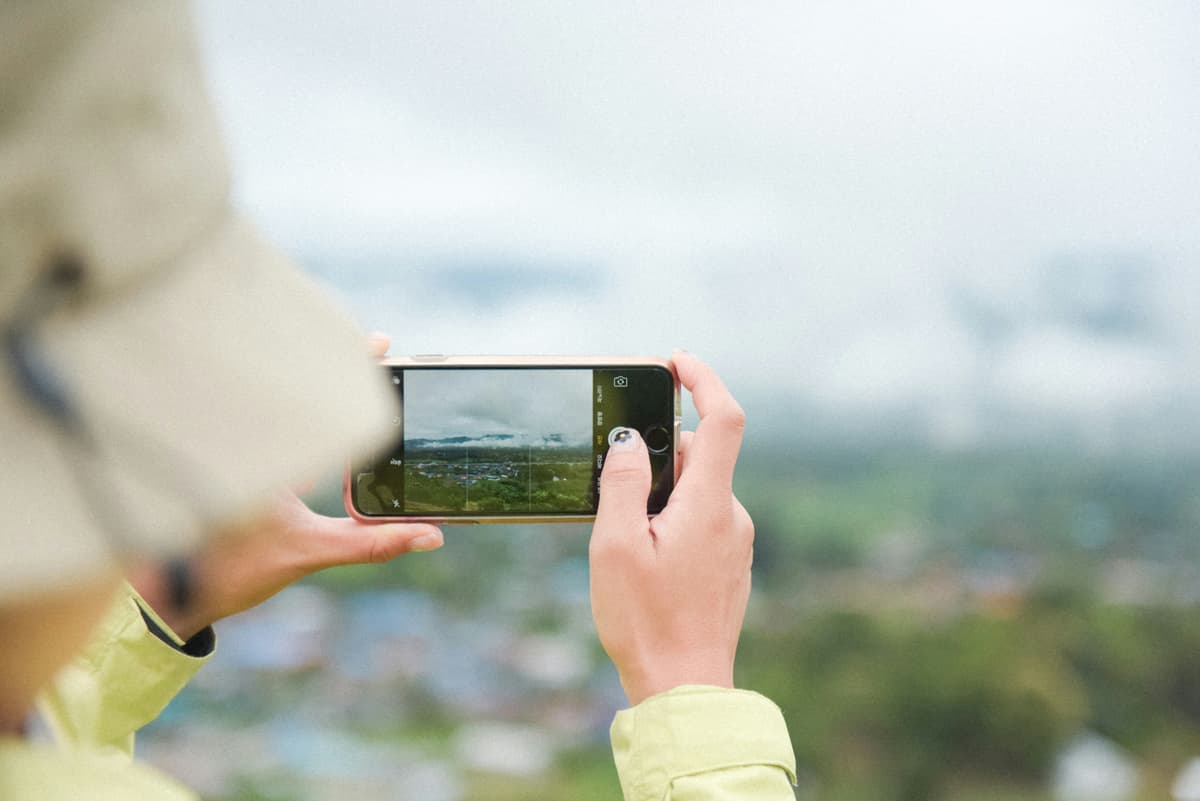
Bottom Line: Creating cinematic travel videos with your smartphone does not require expensive gear; it requires a shift in mindset. By adopting a slow travel experience, prioritizing stabilization and frame rates, and wandering off the beaten path to capture unscripted adventures, you can elevate your mobile footage from a shaky home video to a compelling, documentary-style cinematic story.
We live in a golden age of technology where the smartphone in your pocket is a more powerful camera than the professional Hollywood rigs of a decade ago. Yet, so many travelers return home with galleries full of shaky, disjointed clips that fail to capture the magic of their trip. At the VoyZee Travel Team, we believe that travel videography isn't just about recording what you see—it's about capturing how a place makes you feel.
The secret to cinematic mobile videography isn't just knowing your camera settings; it is deeply intertwined with how you explore. Let's dive into how leaning into a slow travel experience can drastically improve your footage, along with the technical basics you need to master.
The Intersection of Videography and the Slow Travel Experience
Cinematic footage is deliberate. You cannot capture breathtaking, emotionally resonant video if you are sprinting from one tourist trap to another. Good videography demands a slow travel experience.
When you slow down, you begin to notice the subtle details that make a destination unique: the way the morning light reflects off a canal, the rhythmic motion of a baker kneading dough, or the wind rustling through an ancient olive grove. These quiet, observational B-roll shots are the glue that holds a cinematic travel video together.
Essential Smartphone Settings for Cinematic Footage
Before you step outside, you must optimize your digital canvas. Professional-looking video requires overriding your phone's default auto-settings.
- Resolution: Always shoot in 4K if your storage allows it. This gives you the flexibility to zoom in or crop your footage during editing without losing quality.
- Frame Rate (FPS): For a cinematic look, shoot your standard clips in 24 fps (the standard for Hollywood movies). To capture buttery-smooth slow motion, switch to 60 fps (and slow it down by 40% in post-production).
- Grid Lines: Turn on your camera’s 3x3 grid. This helps you keep horizons perfectly level and makes it incredibly easy to apply the "Rule of Thirds."
- AE/AF Lock: Tap and hold your screen to lock the Auto Exposure and Auto Focus. This prevents the camera from rapidly adjusting brightness if someone walks through your frame, which is a dead giveaway of amateur mobile footage.
Why Getting Lost While Traveling Creates the Best B-Roll
If you only film famous monuments, your travel video will look like an overcrowded postcard. To make your video truly stand out, you need to capture the lifeblood of the destination.
This is where the magic of getting lost while traveling comes into play. By intentionally stepping away from the main tourist arteries, you stumble upon the authentic, lived-in reality of a city. The most cinematic moments are rarely found on a guided tour; they are discovered in the quiet residential alleys and bustling neighborhood markets that tourists rarely see.

Smartphone actively recording a lively local market scene
Framing Unscripted Adventures: Composition Tips
Unscripted adventures are visually compelling because they are raw and real. When you encounter a spontaneous moment—like a street musician performing a passionate solo or a sudden, dramatic rainstorm scattering the crowds—your job is to frame it beautifully.
- Shoot Through the Scene: Don't just stand in the open. Use foreground elements (like a doorway, a tree branch, or the shoulder of someone in a crowd) to frame your subject. This creates depth and makes the viewer feel like they are peeking into a secret world.
- Move the Camera Deliberately: Avoid fast, jerky pans. If you don't have a gimbal, tuck your elbows tightly into your ribs, bend your knees slightly, and move your entire torso slowly. Treat your body like a tripod.
- Vary Your Angles: Tell a story by capturing a wide establishing shot of a street, a medium shot of a food vendor, and an extreme close-up of the food sizzling on the grill.
Exploring Without a Map: Capturing the Authentic
Ultimately, the best travel filmmaker is a curious wanderer. Exploring without a map forces you to keep your head up and your eyes open. You aren't distracted by a blue GPS dot; you are fully present, scanning your environment for interesting lighting, vibrant colors, and unique characters.
The next time you travel, dedicate an entire afternoon to wandering aimlessly with your phone in your hand, fully charged and set to 24 fps. Let the destination guide your lens, and you will return home with a cinematic story that truly captures the soul of your journey.

Written by VoyZee Team
Official VoyZee editorial team
