
Bottom Line: Sustainable wandering shifts travel from a consumptive act to a regenerative one. By embracing a slow travel experience, prioritizing low-impact transportation, intentionally avoiding over-touristed zones, and directly injecting funds into grassroots economies, you can ensure that your presence actually improves the ecological and cultural health of your destination.
The modern travel industry is at a critical inflection point. For decades, the metric for a successful trip was how many landmarks one could check off a list in the shortest amount of time. However, this hyper-consumptive model has led to severe overtourism, environmental degradation, and the dilution of local cultures. The antidote is regenerative travel. It is no longer enough to simply "leave no trace"; as modern explorers, we must strive to leave places better than we found them.
At the VoyZee Travel Team, we believe that sustainability is intrinsically linked to how we choose to move through the world. The ultimate slow travel experience is rooted in respect, curiosity, and conscious decision-making. Here is your comprehensive guide to sustainable wandering and actionable steps to make a positive impact on your next journey.
The Core of a Sustainable Slow Travel Experience
A slow travel experience fundamentally redefines our relationship with time and geography. Rather than rushing through five cities in seven days via budget airlines, slow travel advocates for staying in one region, using ground transportation, and deeply immersing oneself in the local rhythm.
Redefining How We Move
Transportation is responsible for nearly half of tourism’s global carbon footprint. Shifting your mindset about transit is the first step toward sustainable wandering.
- Prioritize Rail Over Air: For domestic or regional travel (especially in Europe and parts of Asia), high-speed rail generates up to 80% fewer emissions per passenger kilometer than flying.
- Embrace Human-Powered Transit: Renting a bicycle or choosing to walk transforms transportation into an activity.
- Use Public Transit: Navigating a city’s bus or subway network reduces your carbon footprint and provides an unfiltered glimpse into the daily lives of residents.
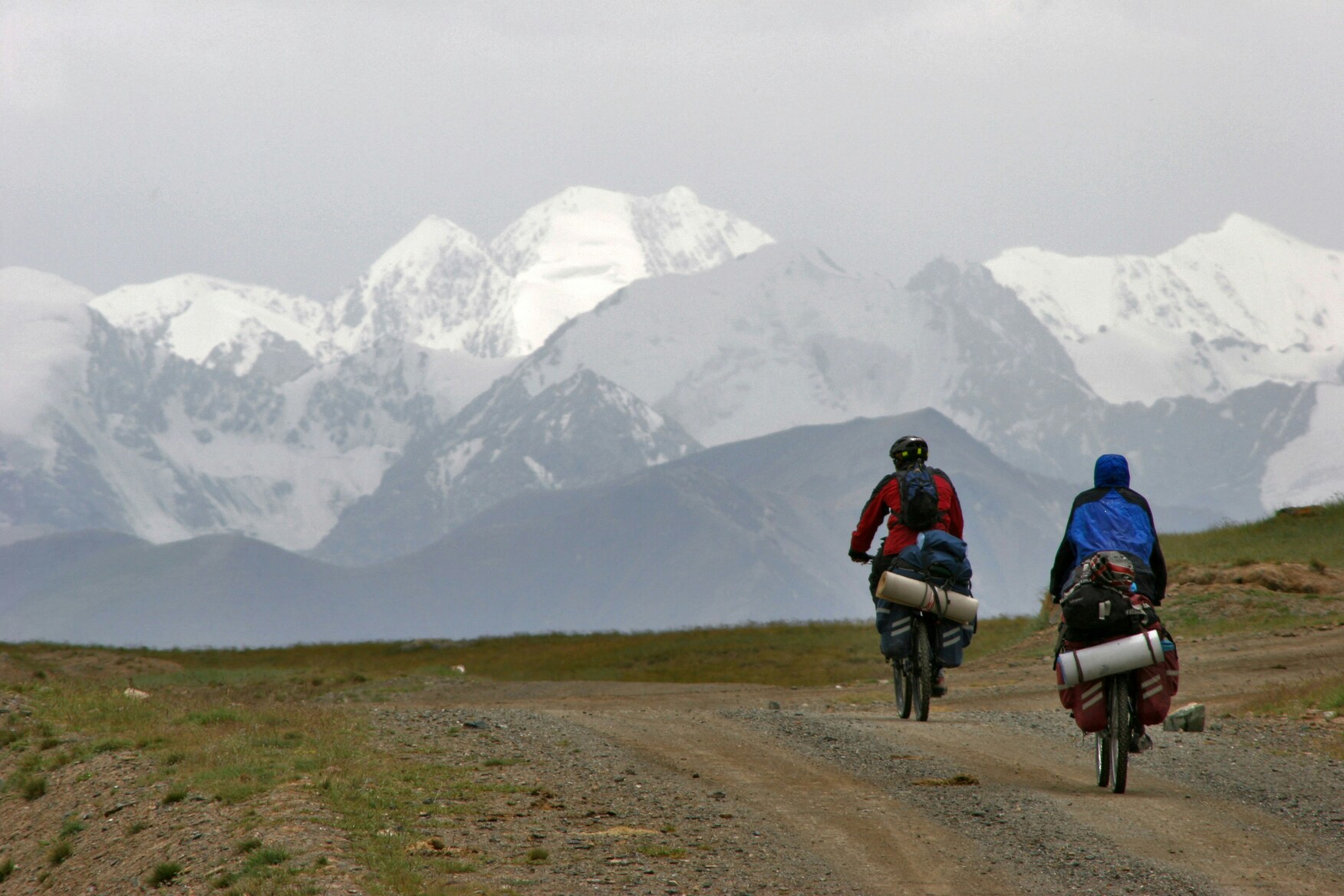
Traveler riding a vintage bicycle in the countryside
Dispersing the Crowds: Getting Lost While Traveling
Overtourism occurs when too many visitors concentrate in a single area, overwhelming local infrastructure, driving up housing prices, and degrading the environment. Think of the narrow streets of Venice or the ancient pathways of Kyoto. One of the most effective ways to combat overtourism is by intentionally dispersing your footprint.
The Environmental Benefits of Exploring Without a Map
When you commit to exploring without a map, you inherently move away from the heavily trodden "Top 10" lists dictated by algorithms. Getting lost while traveling safely allows you to distribute your economic impact to neighborhoods and small businesses that rarely see tourist dollars.
By taking the road less traveled, you alleviate the pressure on fragile, high-traffic ecosystems and monuments. You also reduce the waste and resource strain concentrated in popular city centers. A quiet neighborhood café benefits immensely from your patronage, whereas a massive tourist-trap restaurant does not need another customer to survive.
Economic Impact Through Unscripted Adventures
Regenerative travel is not just about the environment; it is heavily tied to economic sustainability. The phenomenon of "tourism leakage"—where the money you spend leaves the local economy to benefit multinational hotel chains and foreign tour operators—is a major issue in developing nations.
Unscripted adventures naturally combat this leakage. When your itinerary isn't pre-packaged by a global corporation, you are forced to rely on the local community.
How to Maximize Local Economic Impact
- Book Independent Accommodations: Choose locally-owned guesthouses, eco-lodges, or family-run bed and breakfasts instead of international hotel chains.
- Hire Local Guides: If you want to hike a nearby mountain or learn about local history, hire a guide directly from the community rather than booking through a foreign aggregate website.
- Eat Hyper-Local: Skip imported foods. Eating seasonal, regional ingredients reduces the carbon footprint of your meal and supports local agriculture.
- Buy Authentic Souvenirs: Avoid mass-produced trinkets imported from overseas. Purchase handmade crafts directly from artisans, paying them a fair price without haggling aggressively.
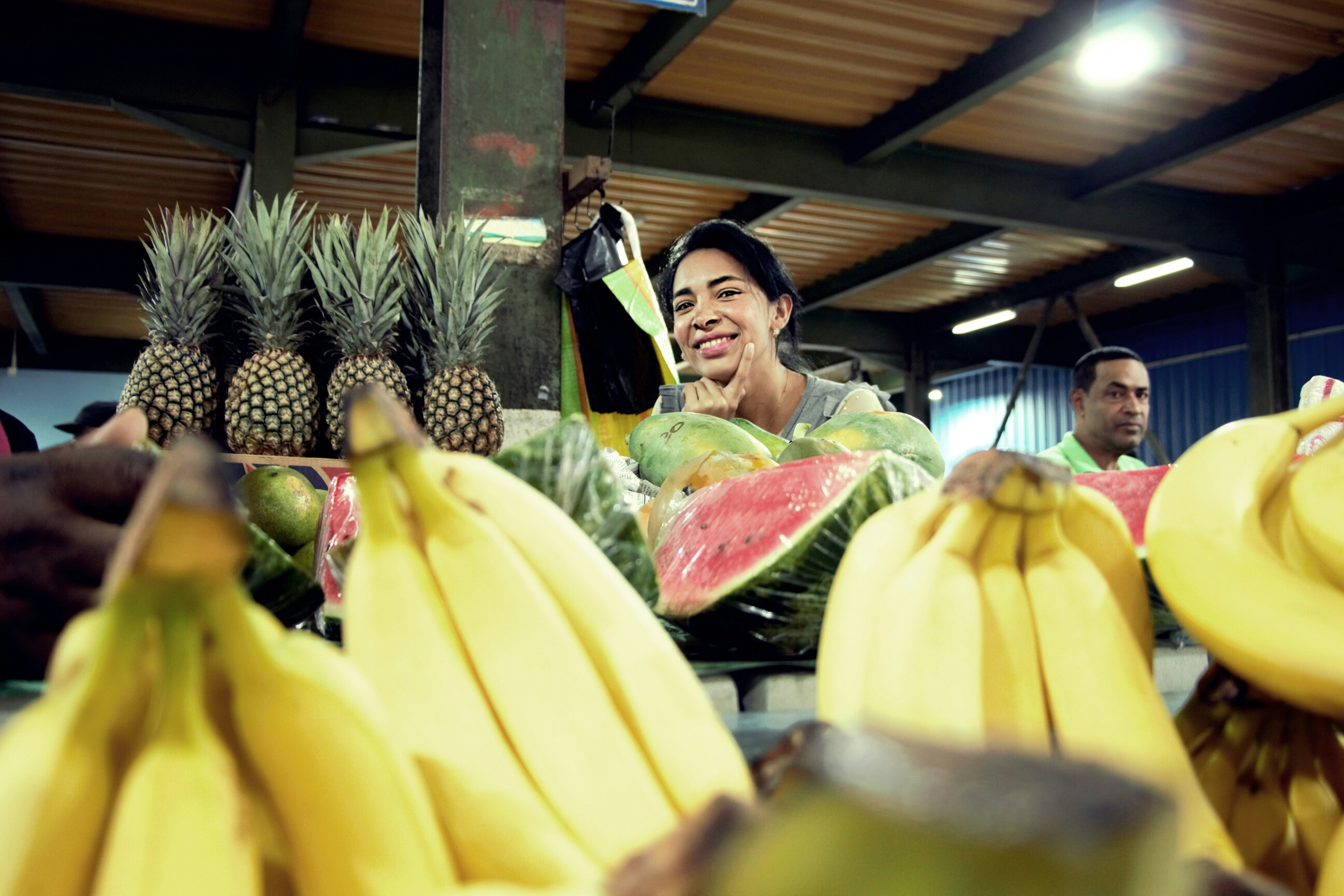
Traveler buying organic produce at a local farmers market
Practical Steps to Leave Places Better
Transitioning from a passive tourist to an active, regenerative traveler requires concrete actions. Here are daily habits to adopt on the road:
- Refuse Single-Use Plastics: This is non-negotiable. Carry a stainless steel water bottle, a reusable coffee cup, a lightweight tote bag, and a set of bamboo utensils. In countries where tap water is unsafe, use a water bottle with a built-in heavy-duty filter (like LifeStraw or Grayl) rather than buying dozens of plastic bottles.
- Participate in Micro-Cleanups: You don't need to join an organized beach cleanup to make a difference. Make it a habit to pick up three pieces of trash whenever you visit a beach, a hiking trail, or a local park.
- Respect Wildlife Guidelines: Never pay to ride elephants, take selfies with sedated tigers, or swim with captive dolphins. Observe wildlife from a respectful distance in their natural habitats and ensure any tour operator you use has strict, verifiable ethical standards.
- Conserve Local Resources: Treat hotel resources as if you were paying the utility bills at home. Take shorter showers, reuse your towels, and turn off the air conditioning when you leave the room. In areas prone to drought, your water usage directly impacts the local population's access to clean water.
- Learn the Language of Respect: Learn at least five basic phrases in the local language (Hello, Thank You, Please, Excuse Me, Do you speak English?). This simple effort breaks down cultural barriers and demonstrates respect for the host community.
Ultimately, sustainable wandering is about recognizing that we are guests in someone else's home. By slowing down, wandering off the heavily curated path, and making conscious micro-decisions about where our money goes, we can ensure that travel remains a force for global good. The world is a breathtaking place; let's make sure it stays that way for the generations of wanderers yet to come.

Written by VoyZee Team
Official VoyZee editorial team
