There is an unspoken rule among seasoned globetrotters, a closely guarded secret passed around airport lounges and boutique hostel lobbies: the best time to travel isn't when everyone else is traveling.
If you are tired of elbowing your way to the front of the Mona Lisa, sweating through your linen shirts in July, or paying exorbitant premiums for a basic hotel room, it is time to rethink your calendar. Welcome to the VoyZee Travel Team's ultimate guide to "Shoulder Season"—the sweet spot of the travel calendar that is rapidly becoming the real peak season for those in the know.
What Exactly is Shoulder Season?
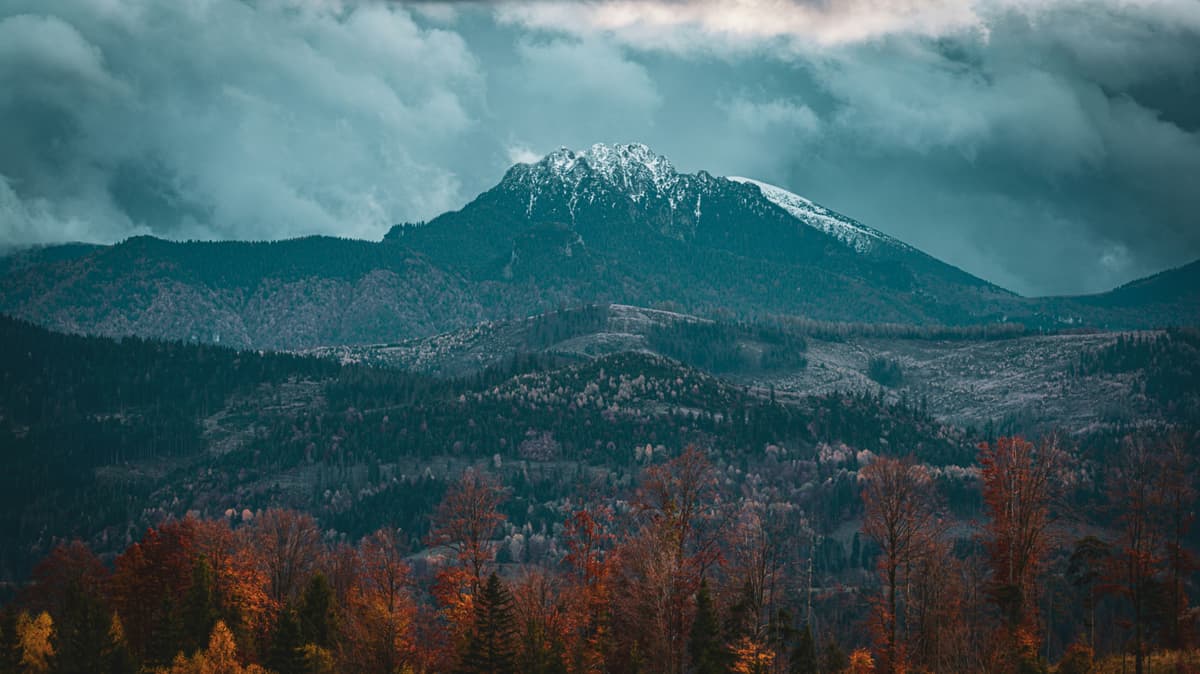
Shoulder season refers to those magical transitional months sitting just between a destination's high (peak) season and low (off) season. For the Northern Hemisphere, this typically means spring (April through mid-June) and autumn (September through November). During these windows, destinations are in transition. The frantic summer rush has either not yet begun or just recently packed its bags, leaving behind the true essence of the city.
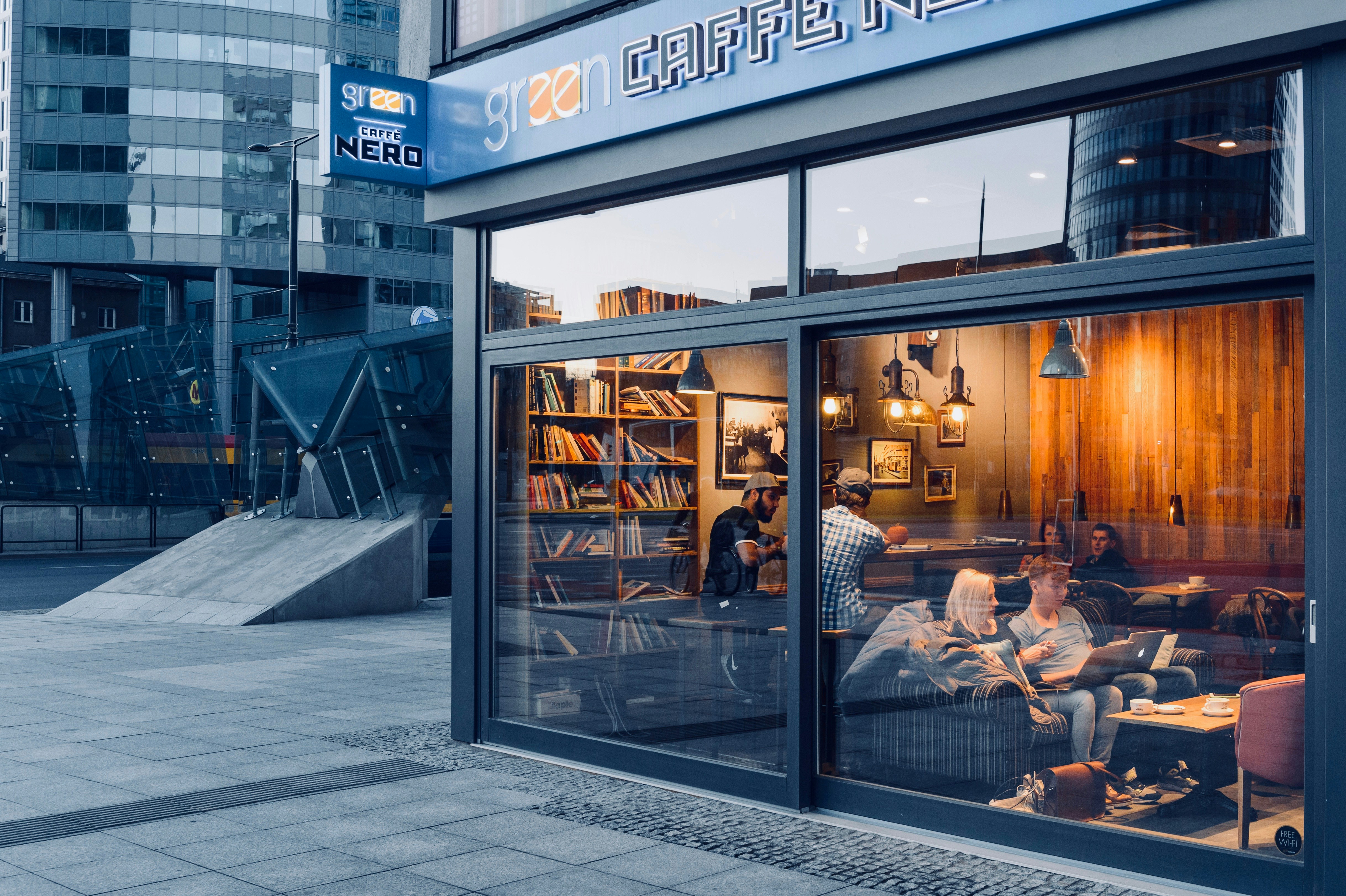
Cozy morning cafe square
The Unbeatable Benefits of Off-Season Travel
Why are travel experts swapping their July itineraries for October escapes? The benefits go far beyond just avoiding the masses.
1. Your Wallet Will Thank You
Let's talk logistics. High demand equals high prices. By shifting your travel dates by just a few weeks, you can instantly slash your budget. Airlines frequently drop their fares to fill seats after the summer rush, and luxury hotels that command top dollar in August suddenly offer appealing discounts and complimentary upgrades in October. This means you can stretch your travel budget further, perhaps opting for that five-star boutique hotel or treating yourself to an unforgettable Michelin-starred dining experience instead of merely covering basic airfare.
2. Say Goodbye to the Crowds
There is nothing quite like having a world wonder almost entirely to yourself. In shoulder season, you won't need to wake up at 5:00 AM just to get a photo without a hundred strangers in the background. Museums have shorter lines, reservations at top-tier restaurants are actually attainable, and the overall pace of exploration becomes relaxed and intentional. You can finally stroll, linger, and absorb the atmosphere.
3. The Weather is the Goldilocks Zone
Peak summer travel often comes with sweltering, exhausting heat, while deep winter brings biting cold. Shoulder season offers the "Goldilocks zone" of weather—not too hot, not too cold. Exploring ancient ruins in Rome or hiking the Inca Trail is infinitely more enjoyable in a crisp 68°F (20°C) than in a blistering 95°F (35°C) midday sun.
4. Authentic Cultural Connections
During peak season, locals in popular destinations are often overworked, overwhelmed, and suffering from tourist fatigue. When you visit during the shoulder months, the atmosphere fundamentally shifts. Bartenders have time to chat and recommend their favorite local haunts, shop owners are relaxed, and you get to experience the daily rhythm of a culture as it exists for the people who actually live there.

Peaceful landmark landscape
Top Destinations that Shine in the Shoulder Season
Not sure where to start your off-season adventure? Here are a few places that truly shine when the crowds thin out:
- Tuscany, Italy (September - October): Experience the magic of the grape and olive harvests. The rolling hills turn a brilliant gold, the food festivals (sagre) are in full swing, and the oppressive summer heat is replaced by a crisp, romantic chill in the evenings.
- Kyoto, Japan (Late November or Early March): Avoid the absolute peak of the cherry blossom madness by visiting just before they bloom, or catch the breathtaking autumn foliage (momiji) with fewer domestic and international crowds.
- The Greek Islands (May or late September): The Aegean Sea is still warm enough for swimming, the ferries are running, but the narrow whitewashed streets of Santorini and Mykonos belong to you and the locals.
The VoyZee Pro-Tips for Nailing Your Shoulder Season Trip
To make the most of your off-season adventure, keep these golden rules in mind:
- Pack in Layers: Transitional weather can be unpredictable. A sunny afternoon can quickly turn into a brisk evening. Bring versatile layers, a light rain jacket, and comfortable walking shoes.
- Check Operating Hours: Some seasonal businesses, ferry routes, and smaller attractions reduce their hours or close entirely once the peak season ends. Always double-check schedules in advance to avoid disappointment.
- Embrace Spontaneity: Because accommodations and transport aren't booked solid months in advance, you have the luxury of flexibility. Love a particular coastal town? Extend your stay by a day or two without the stress of sold-out hotels.
Ultimately, traveling during the shoulder season isn't just a budget hack; it is a mindset shift. It is about choosing connection over chaos and authenticity over ticking a box. So, put away that summer itinerary, pack a light sweater, and let the real adventure begin.

Written by VoyZee Team
Official VoyZee editorial team
